
BLOG
Exploring Creativity, Together!
All Articles
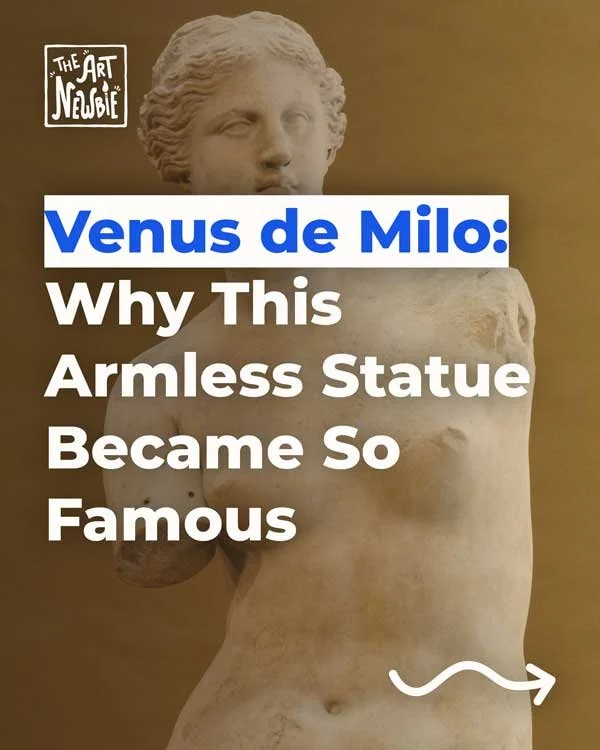
Venus de Milo: Why This Armless Statue Became So Famous
Venus de Milo became famous through beauty, damage, and mystery at once. Learn why this broken Hellenistic statue still feels so complete and iconic.
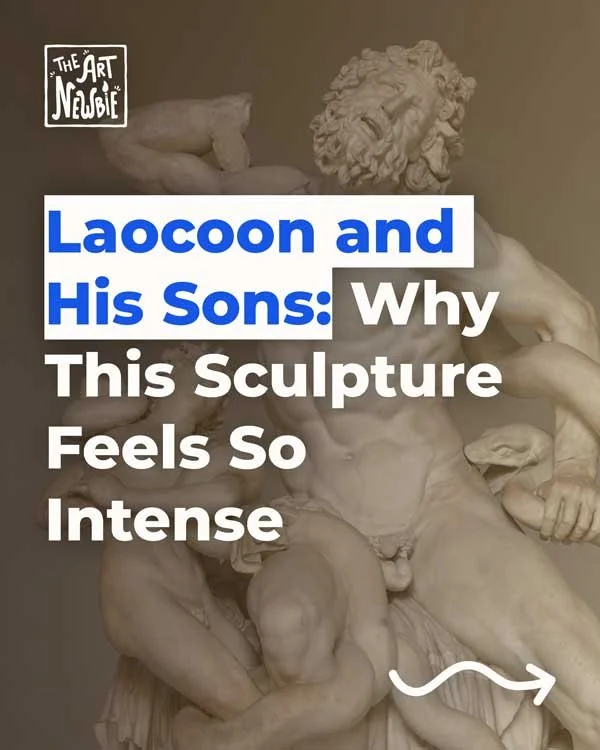
Laocoon and His Sons: Why This Sculpture Feels So Intense
Laocoon and His Sons feels intense because every body, line, and gesture is under pressure. Understand how the sculpture turns myth into crisis.
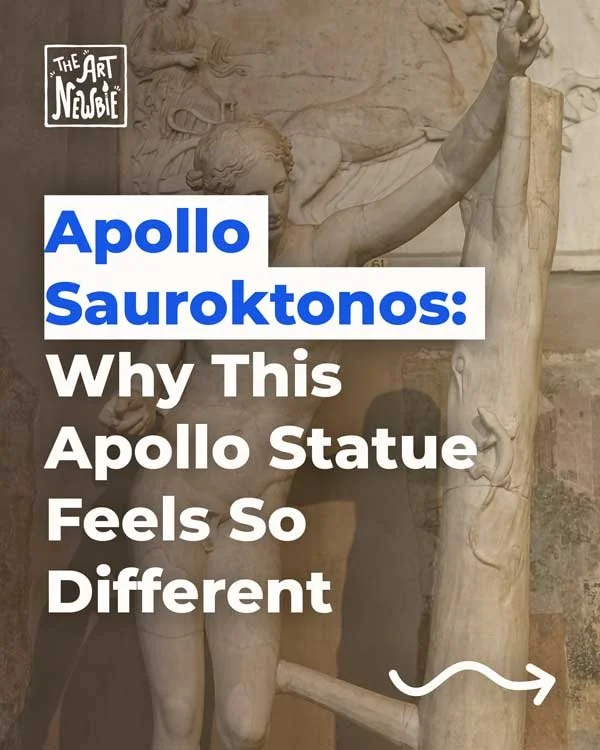
Apollo Sauroktonos: Why This Apollo Statue Feels So Different
Apollo Sauroktonos feels unusual because Apollo appears youthful, relaxed, and almost private. This article explains why that shift matters.
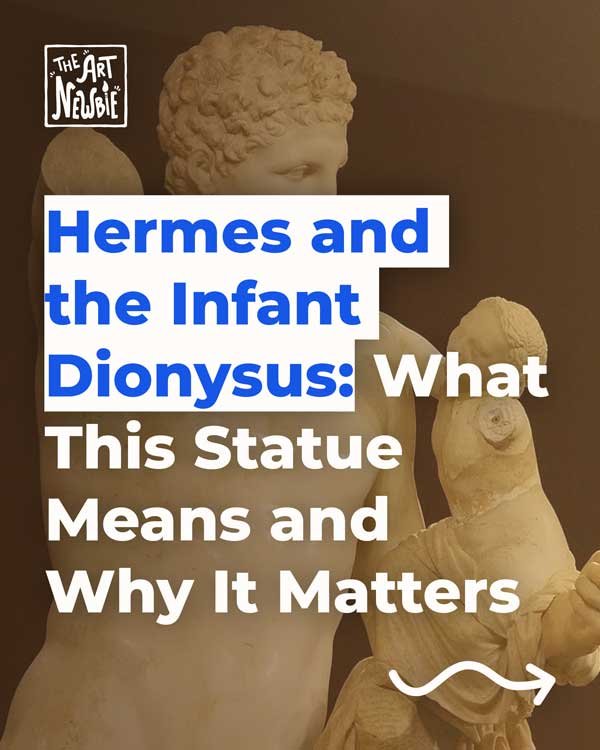
Hermes and the Infant Dionysus: What This Statue Means and Why It Matters
Hermes and the Infant Dionysus shows Late Classical sculpture at its softest and most intimate. Find out why its calm grace matters so much.
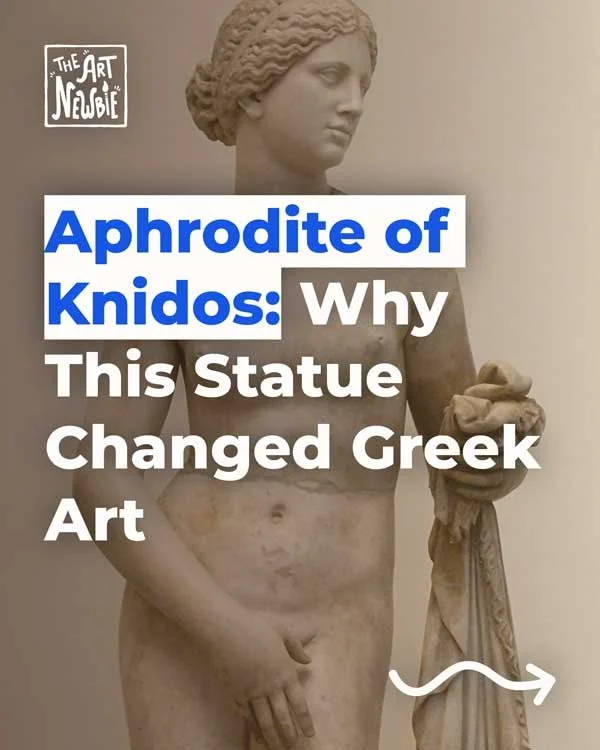
Aphrodite of Knidos: Why This Statue Changed Greek Art
The Aphrodite of Knidos changed Greek art by making the monumental female nude central. See why this lost statue mattered so much to later sculpture.
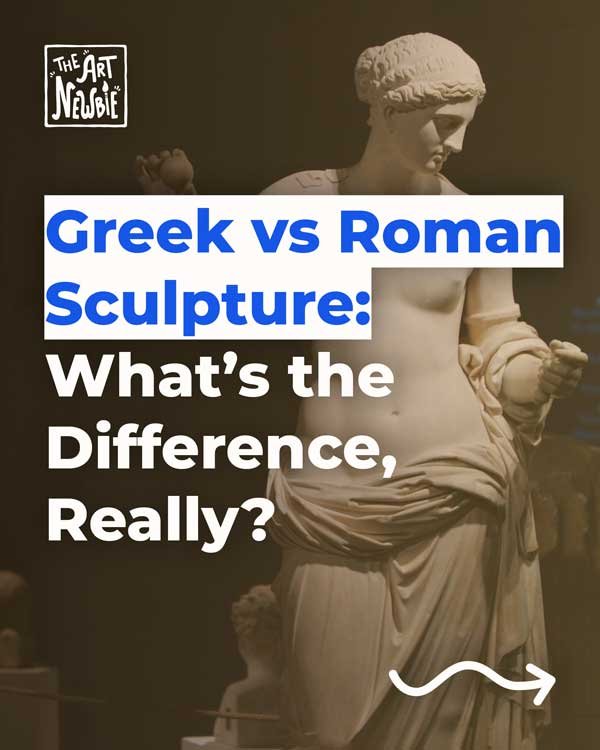
Greek vs Roman Sculpture: What’s the Difference, Really?
Greek and Roman sculpture are closely linked, but they serve different aims. Understand ideal beauty, portraiture, copies, and Roman reuse more clearly.
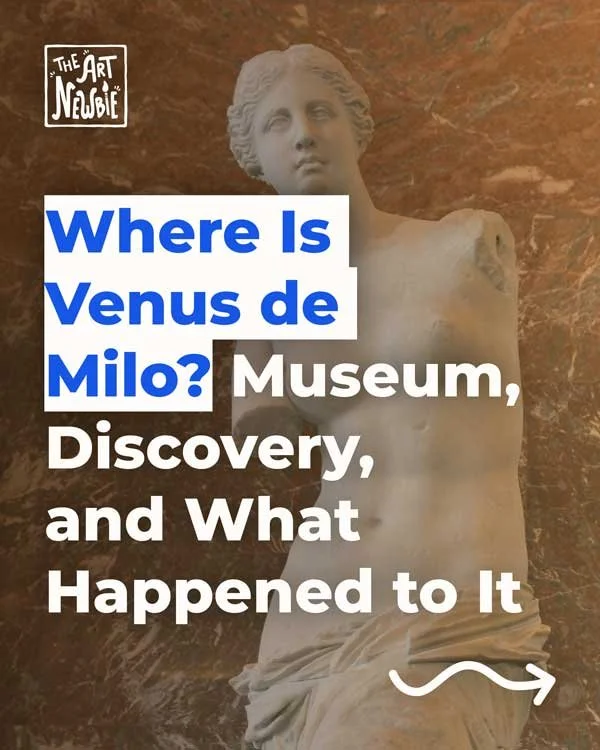
Where Is Venus de Milo? Museum, Discovery, and What Happened to It
The Venus de Milo is in the Louvre, but its story starts on Melos in 1820. Follow the statue’s discovery, journey, and missing-arm mystery in context.
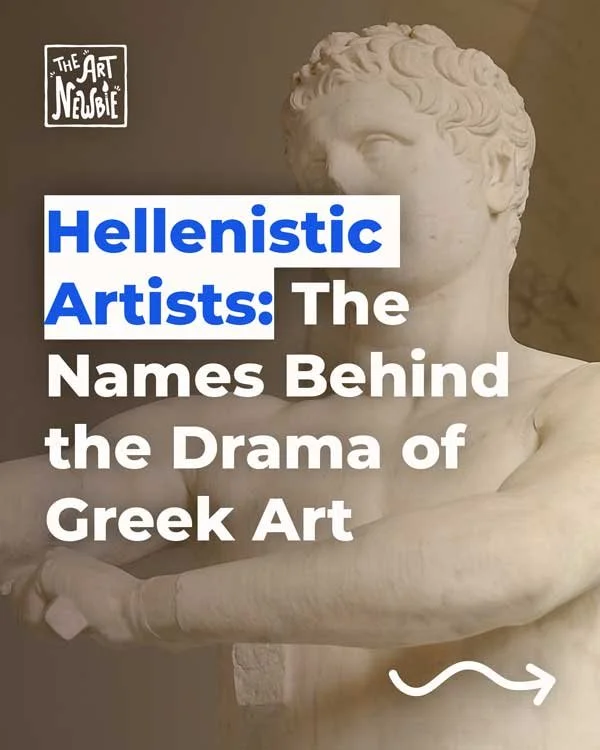
Hellenistic Artists: The Names Behind the Drama of Greek Art
Hellenistic artists are harder to pin down than Classical masters. This guide maps the names, workshops, and regions behind the drama of the age.
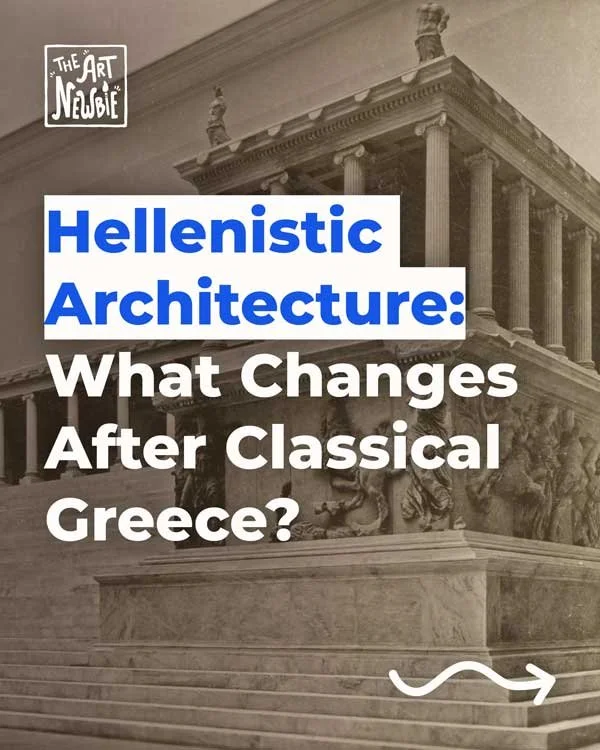
Hellenistic Architecture: What Changes After Classical Greece?
Hellenistic architecture keeps Greek forms but expands into bigger cities, grander sanctuaries, and more staged public space. See what changes.
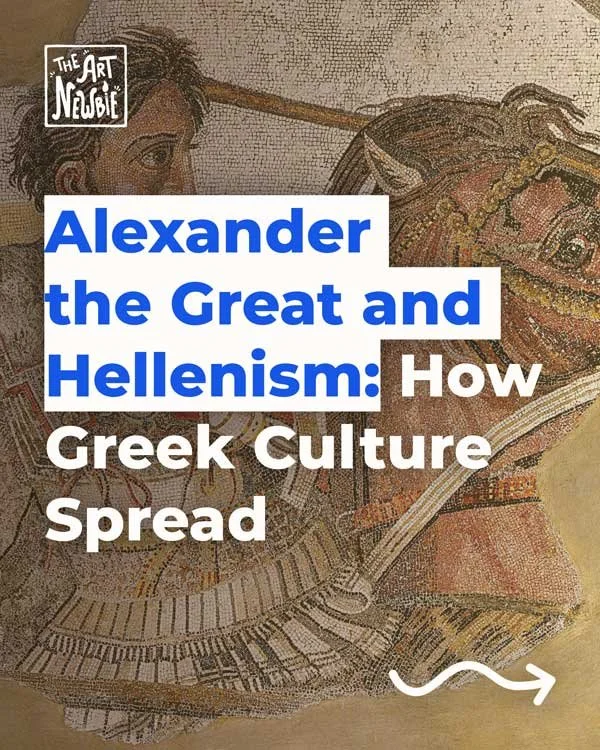
Alexander the Great and Hellenism: How Greek Culture Spread
Alexander helps spread Greek culture by changing the map, but cities, language, and exchange do the lasting work. Learn how Hellenism expands.
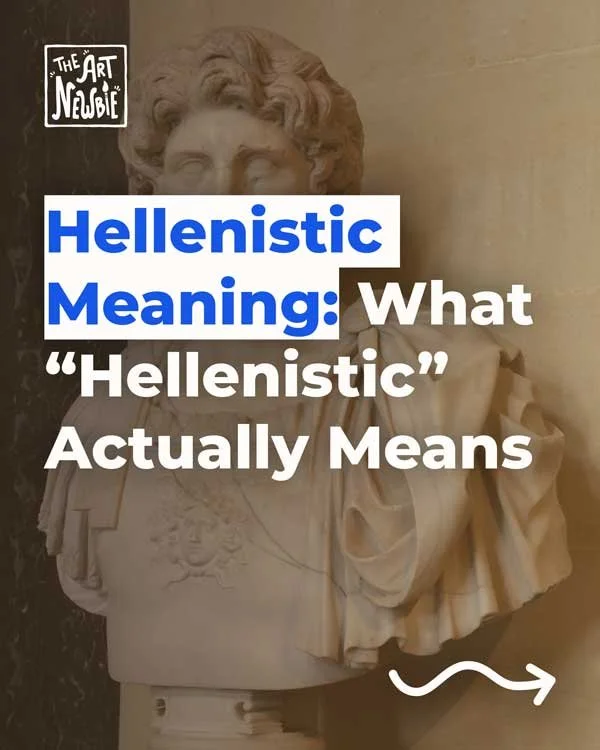
Hellenistic Meaning: What “Hellenistic” Actually Means
Hellenistic means the Greek-influenced world after Alexander, not simply “Greek.” This piece explains the word, the period, and why it matters.
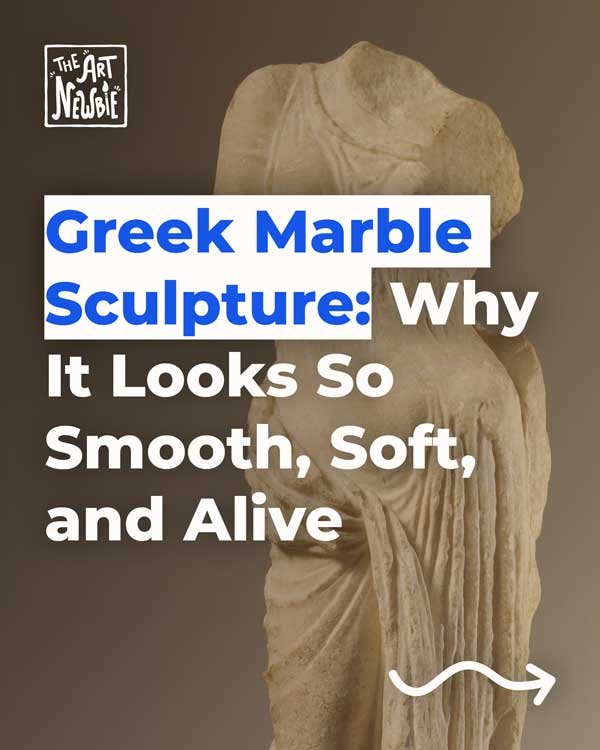
Greek Marble Sculpture: Why It Looks So Smooth, Soft, and Alive
Greek marble sculpture looks alive because artists used carving, polish, and light to make stone feel tactile. Understand what creates that effect.
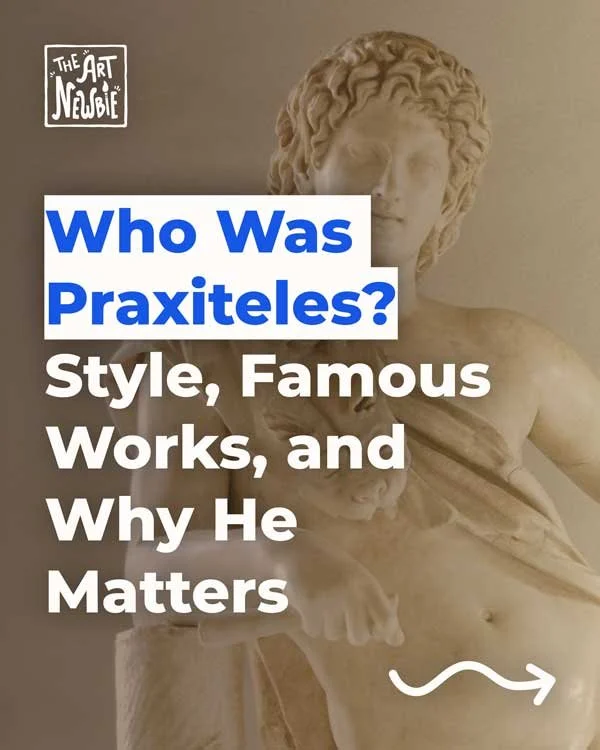
Greek Marble Sculpture: Why It Looks So Smooth, Soft, and Alive
Praxiteles was the Greek sculptor who made gods feel softer, more graceful, and more human. This article clarifies his style, works, and legacy.
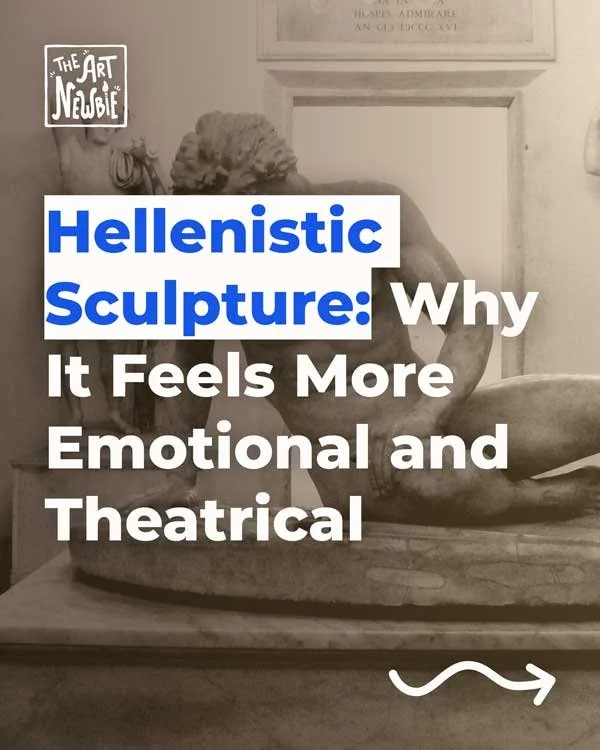
Hellenistic Sculpture: Why It Feels More Emotional and Theatrical
Hellenistic sculpture turns Greek beauty into event: bodies react, faces reveal feeling, and space becomes active. Find out what changes here.
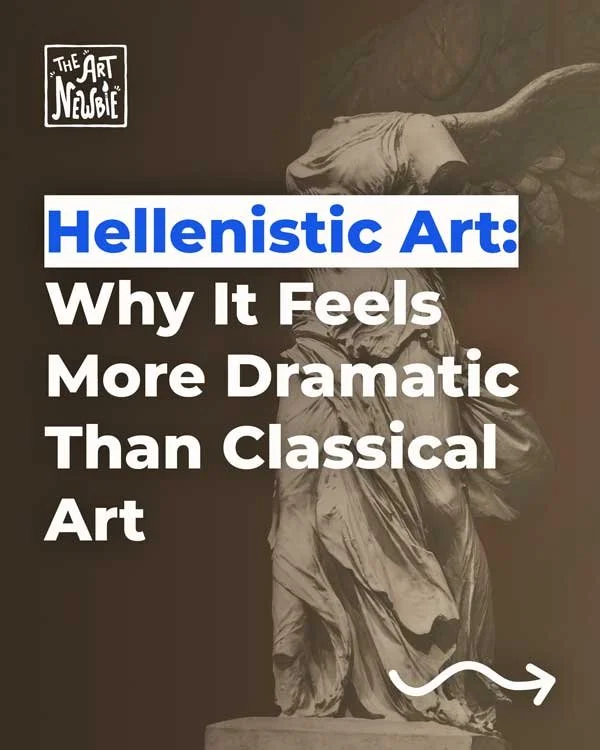
Hellenistic Art: Why It Feels More Dramatic Than Classical Art
Hellenistic art feels more dramatic because Greek artists push movement, emotion, and variety further. See how it differs from Classical calm.
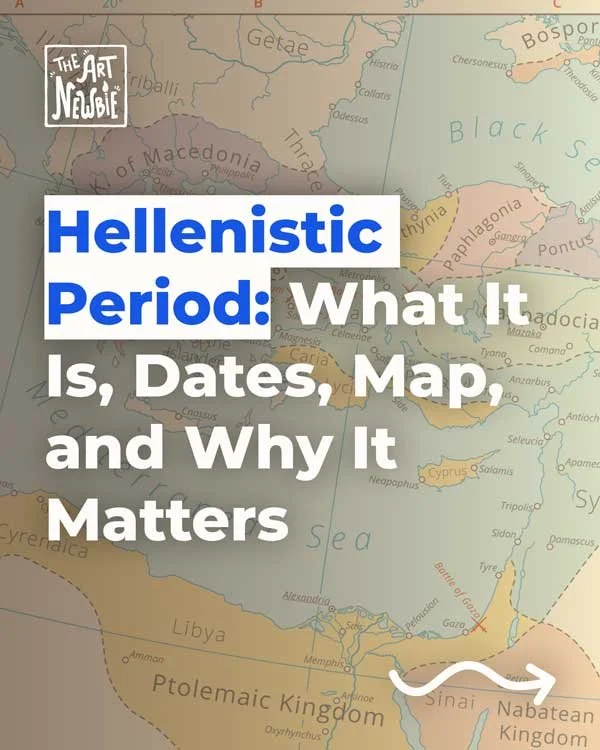
Hellenistic Period: What It Is, Dates, Map, and Why It Matters
The Hellenistic period runs from 323 to 31 BCE, when the Greek world becomes larger, more urban, and more culturally mixed after Alexander’s death.
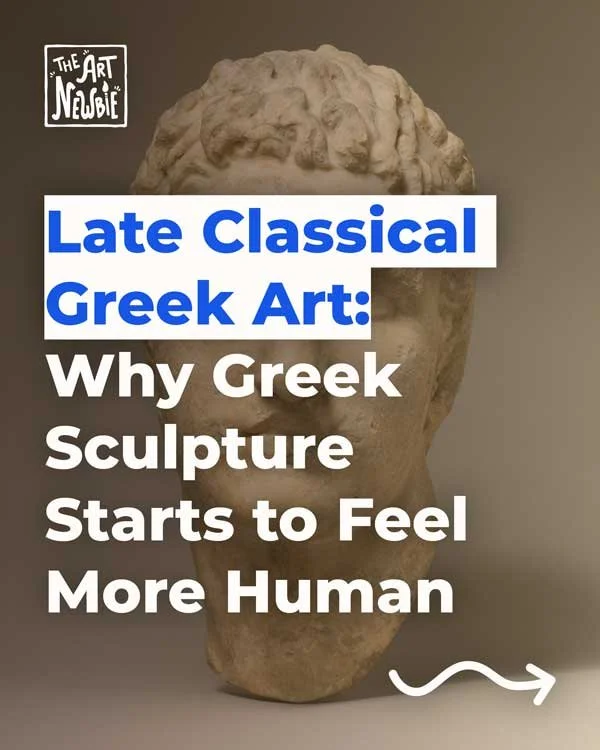
Late Classical Greek Art: Why Greek Sculpture Starts to Feel More Human
Late Classical Greek art is the 4th-century BCE phase when sculpture turns softer, more graceful, and more psychologically human in tone and presence.
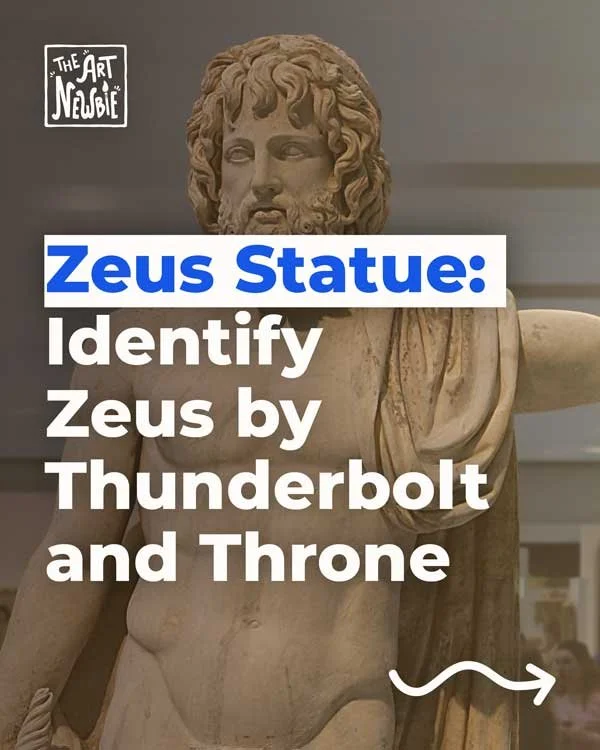
Zeus Statue: Identify Zeus by Thunderbolt and Throne
Zeus is not just an older bearded god. In sculpture, he is authority made visible. See how thunderbolt, throne, and posture turn him into a ruler.
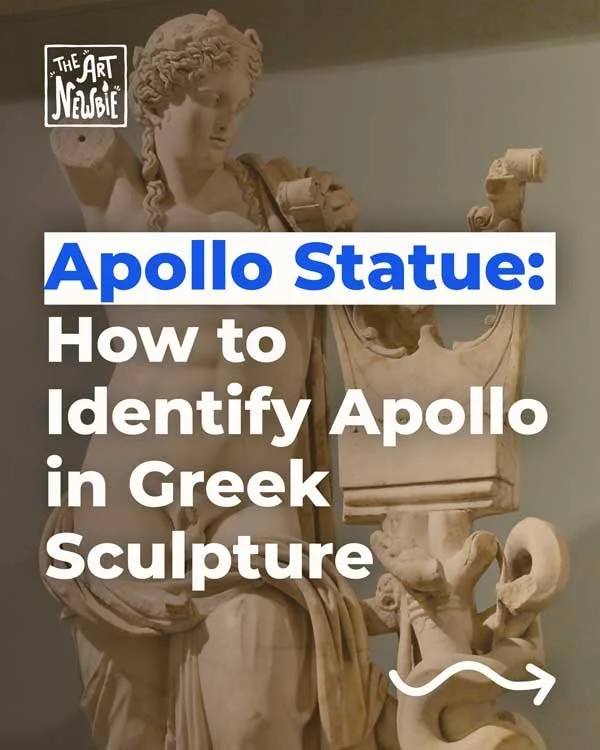
Apollo Statue: How to Identify Apollo in Greek Sculpture
Apollo is more than a beautiful young god. His image is built from order, music, prophecy, and recognizable objects that keep returning in sculpture.
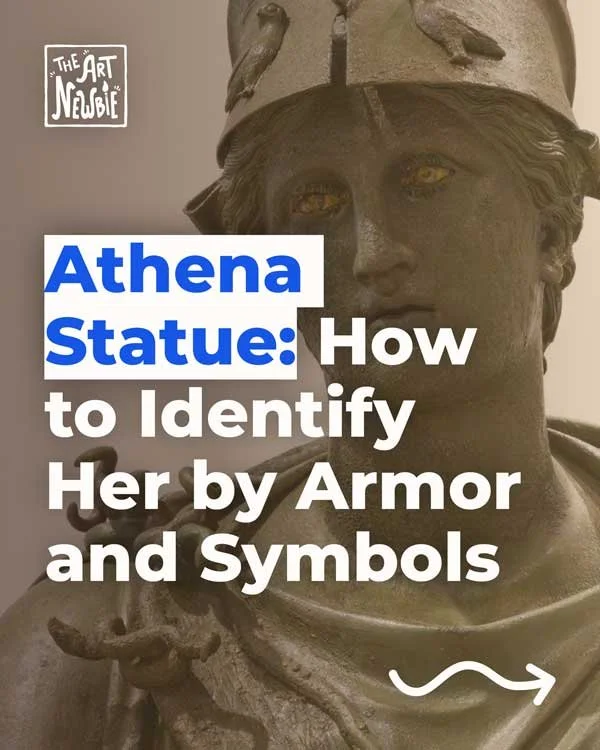
Athena Statue: How to Identify Her by Armor and Symbols
Athena can be hard to identify when a statue is damaged, but her symbols are remarkably consistent. Follow the armor and attributes, and she emerges.

Featured Articles
Meet the Host
Hey there! I'm Riccardo, the mind behind The Art Newbie. I've been obsessed with art since my high school days, and now I'm diving deep into the world of architecture at college. The Art Newbie is my space to share everything I've learned, from the basics of art and architecture to the fascinating histories behind them.