
BLOG
Exploring Creativity, Together!
All Articles
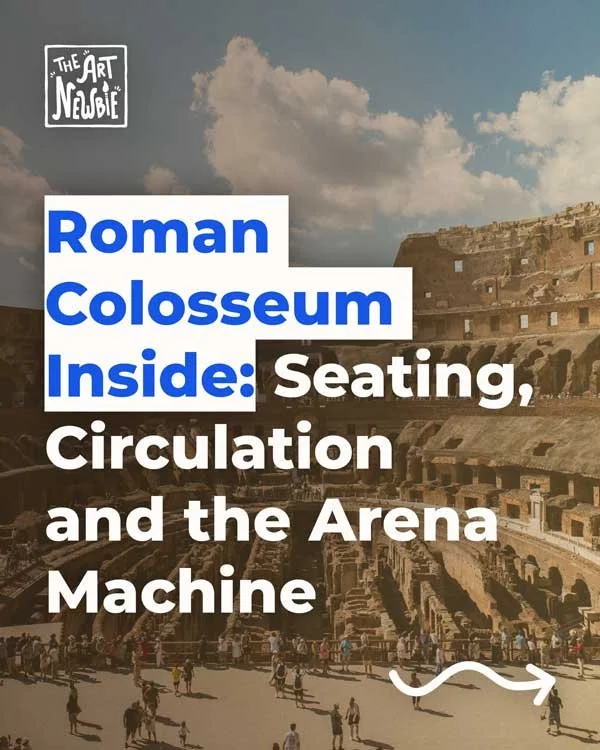
Roman Colosseum Inside: Seating, Circulation and the Arena Machine
Inside the Colosseum, nothing is random. Seating, entrances, passages, and the arena all work together to direct movement, rank, and performance.
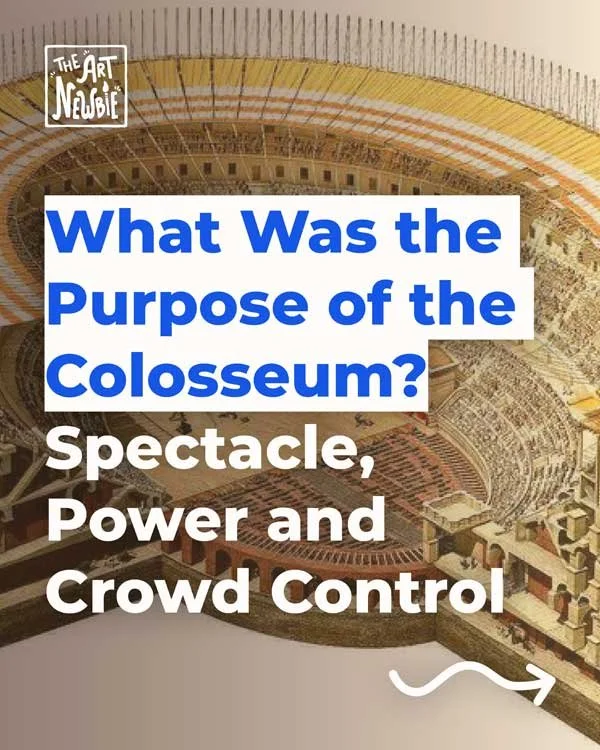
What Was the Purpose of the Colosseum? Spectacle, Power and Crowd Control
The Colosseum was built for games, but never for games alone. It also organized hierarchy, imperial image, and crowd management on a massive scale.
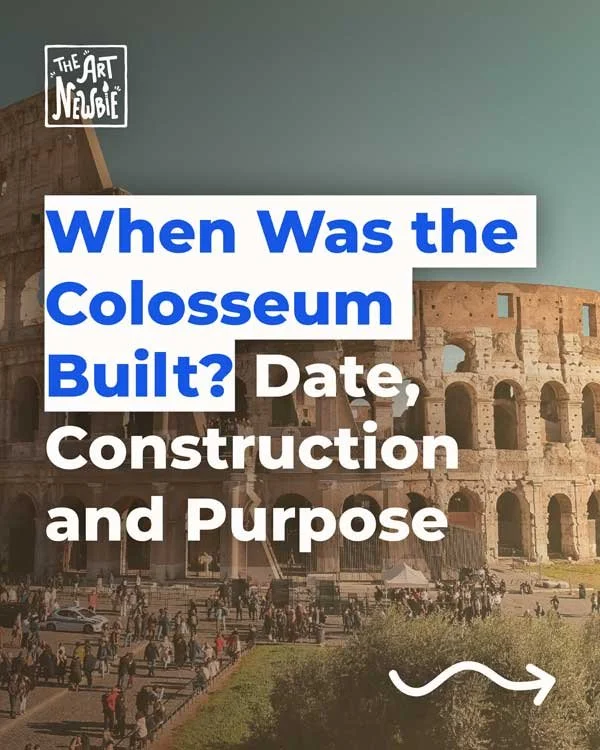
When Was the Colosseum Built? Date, Construction and Purpose
The Colosseum belongs to the late 1st century CE, but the date matters because it ties the building to imperial politics and post-Neronian urban change.
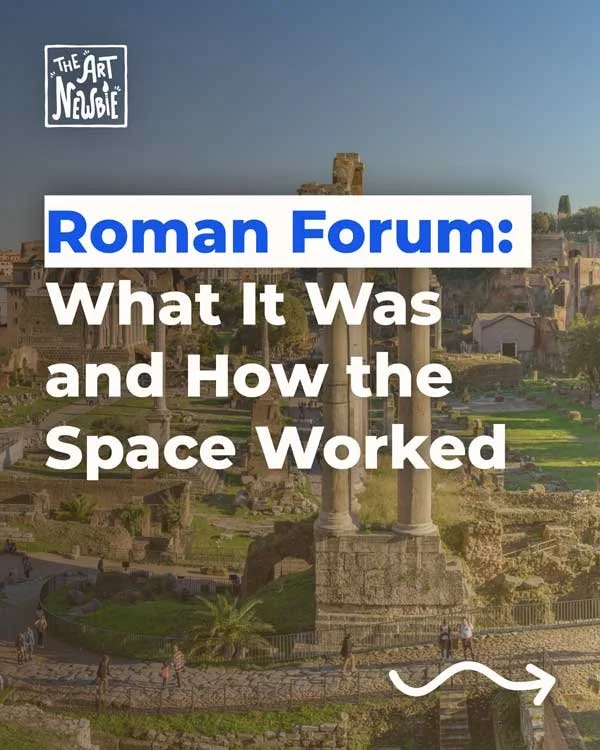
Roman Forum: What It Was and How the Space Worked
The Roman Forum was not just an open square filled with monuments. It was a civic core where law, ritual, politics, and circulation were tightly staged together.
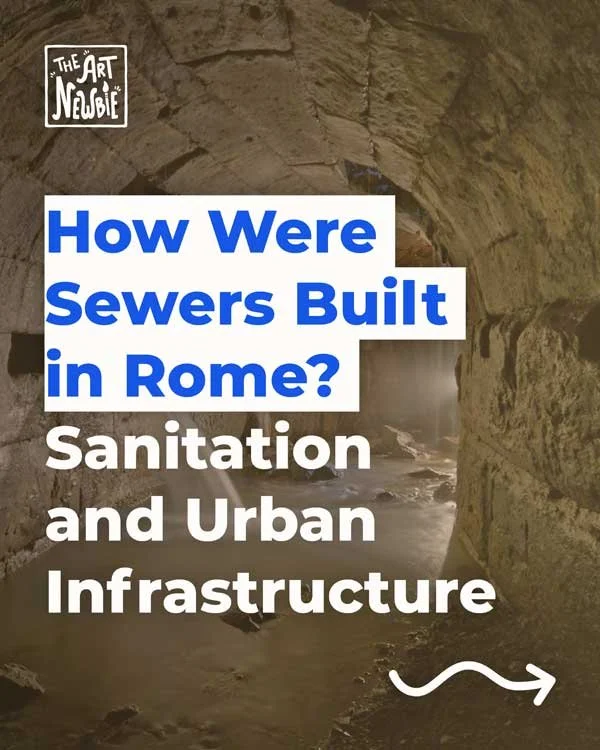
How Were Sewers Built in Rome? Sanitation and Urban Infrastructure
Rome’s sewers were hidden, but they were essential. This article clarifies how underground channels, drainage logic, and water flow supported dense urban life.
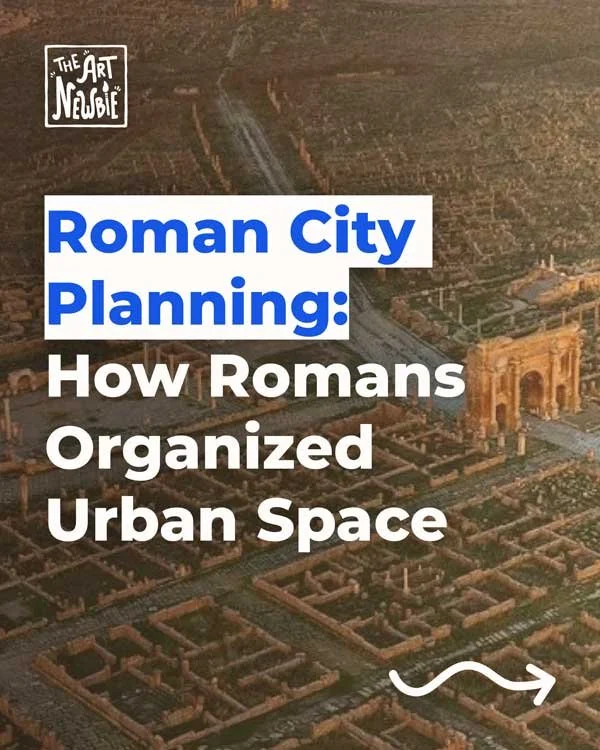
Roman City Planning: How Romans Organized Urban Space
Roman city planning is not only about straight streets. It is about how roads, forums, infrastructure, and public buildings are arranged to make urban life work clearly.
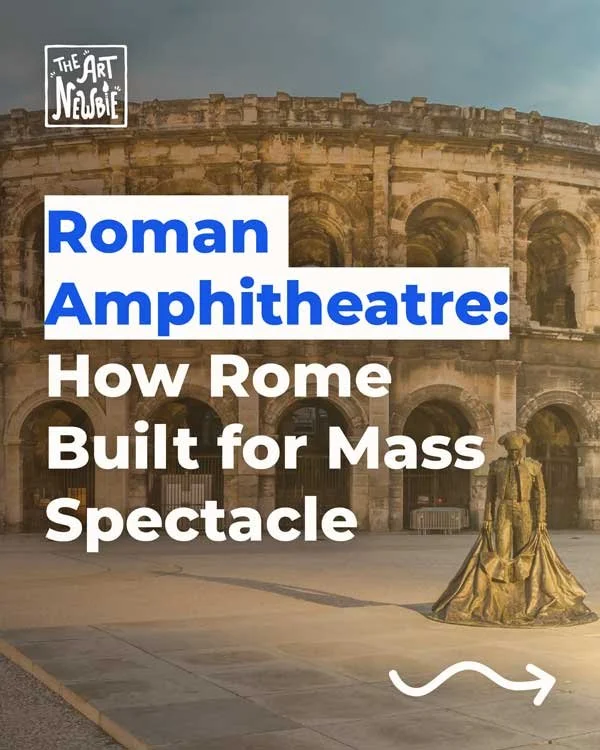
Roman Amphitheatre: How Rome Built for Mass Spectacle
A Roman amphitheatre is a machine for spectatorship, circulation, and control. Learn how arena, seating, and substructure turn spectacle into architecture.
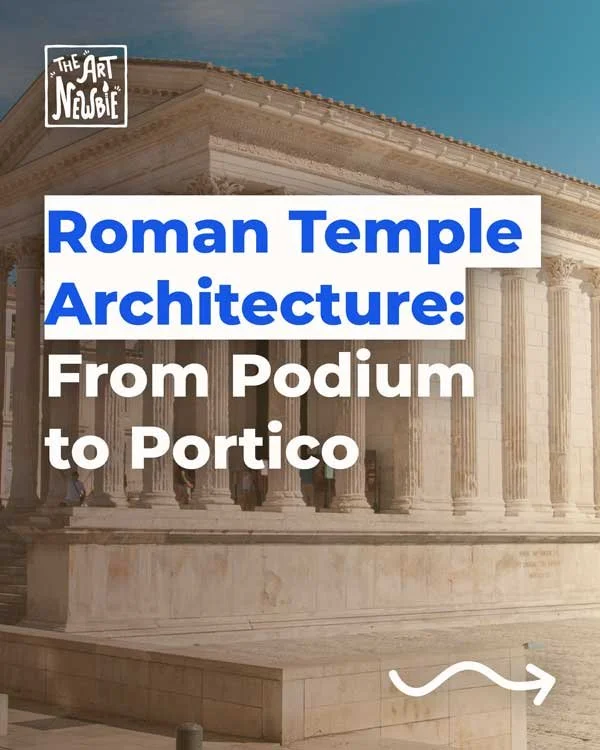
Roman Temple Architecture: From Podium to Portico
Roman temples may look Greek at first glance, but their high podiums and frontal approach change the whole experience. Understand how Roman temple design actually works.
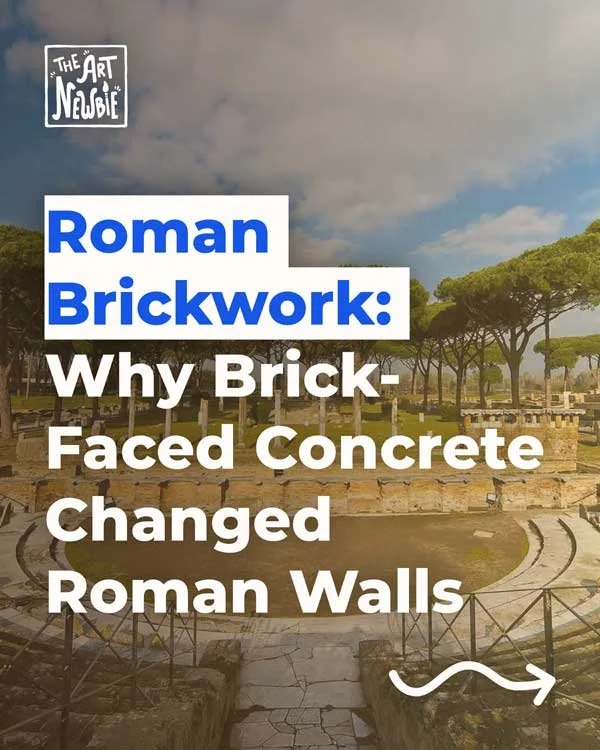
Roman Brickwork: Why Brick-Faced Concrete Changed Roman Walls
Roman brickwork is easy to misread if you imagine a modern brick wall. Here, brick often works as facing, rhythm, and structural partner to a concrete core.
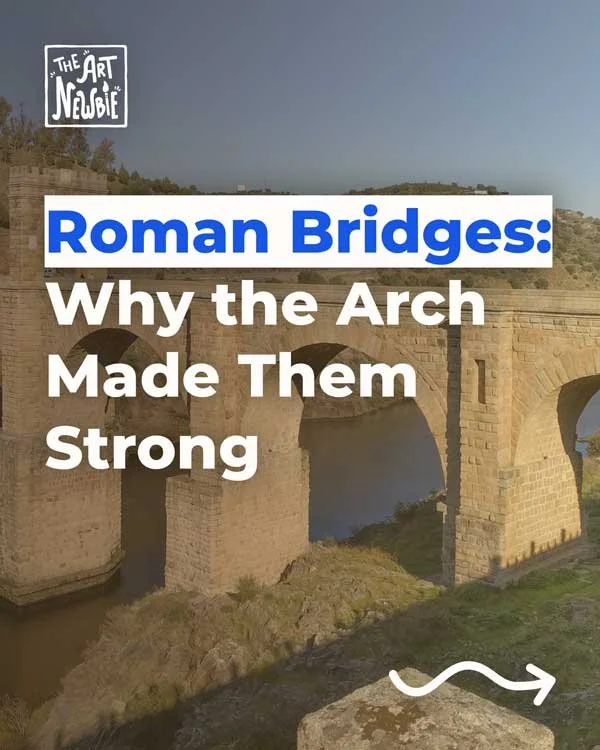
Roman Bridges: Why the Arch Made Them Strong
Roman bridges look practical, but their strength comes from a clear structural idea: the arch turns load into compression. See how that logic shaped crossings across the empire.
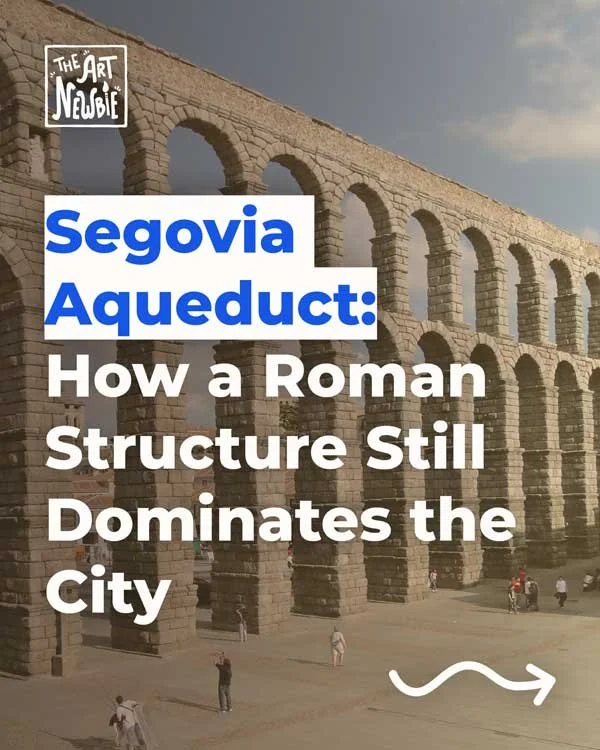
Segovia Aqueduct: How a Roman Structure Still Dominates the City
The Segovia Aqueduct still cuts through the city with remarkable calm and force. Its survival helps make Roman engineering feel present rather than distant.
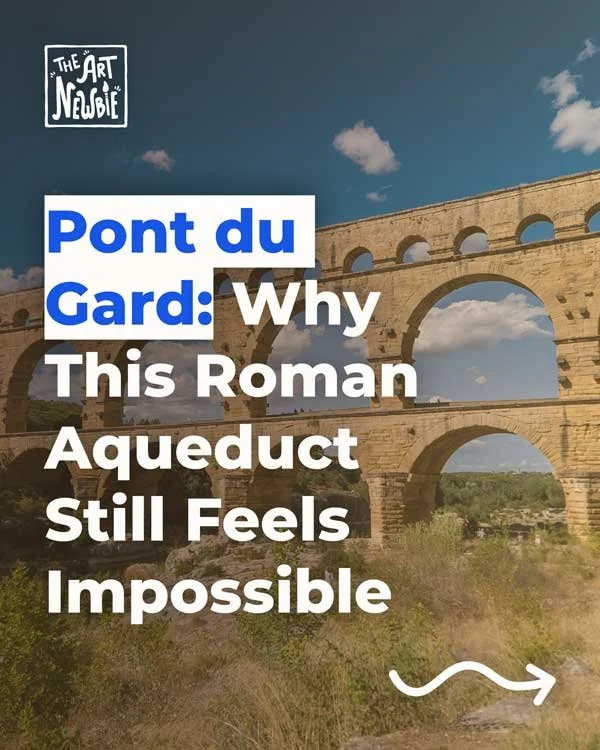
Pont du Gard: Why This Roman Aqueduct Still Feels Impossible
Pont du Gard feels impossible because it is both infrastructure and architecture at once. Find out why water supply, stone precision, and valley crossing meet so cleanly here.
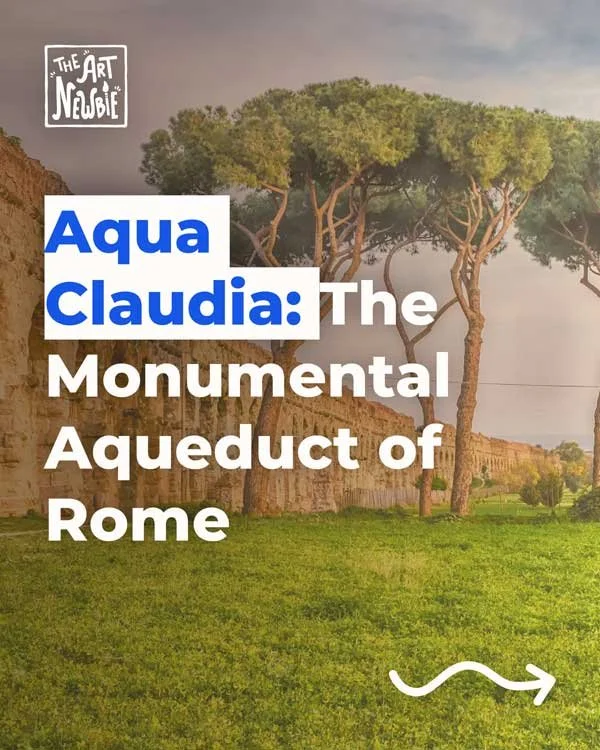
Aqua Claudia: The Monumental Aqueduct of Rome
Aqua Claudia makes infrastructure feel monumental without losing technical clarity. Its scale, route, and surviving arcades show how Roman water systems could dominate a landscape.
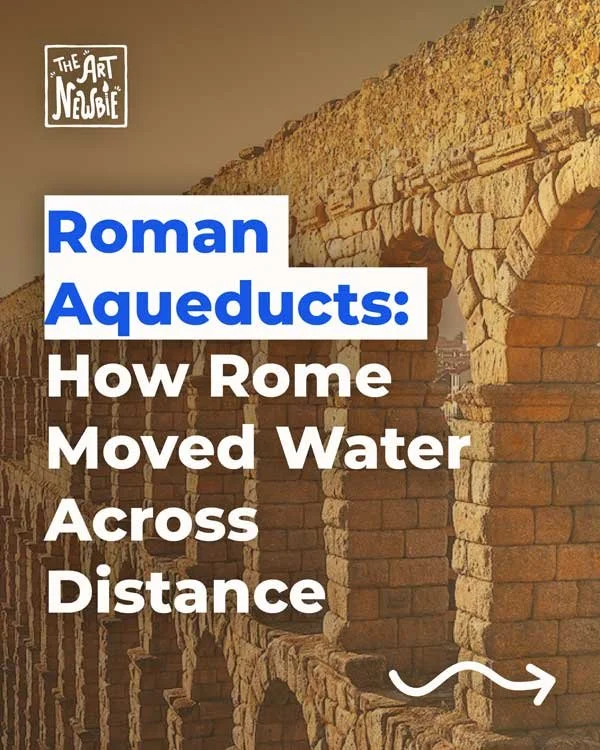
Roman Aqueducts: How Rome Moved Water Across Distance
Roman aqueducts were not just lines of arches on a horizon. They were controlled water systems built through gradients, channels, tunnels, and careful adjustment to land.

Roman Roads: How the Romans Built Routes That Lasted
Roman roads endured because builders cared about grading, drainage, layering, and route logic all at once. Learn how an engineered surface became an imperial network.
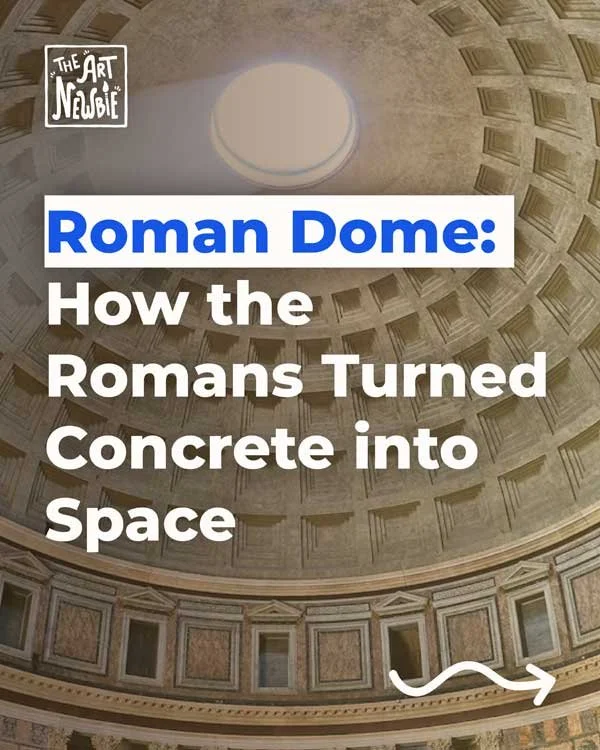
Roman Dome: How the Romans Turned Concrete into Space
A Roman dome does more than cover a room. It gathers light, mass, and enclosure into one strong interior experience. See why this form changed architecture so deeply.
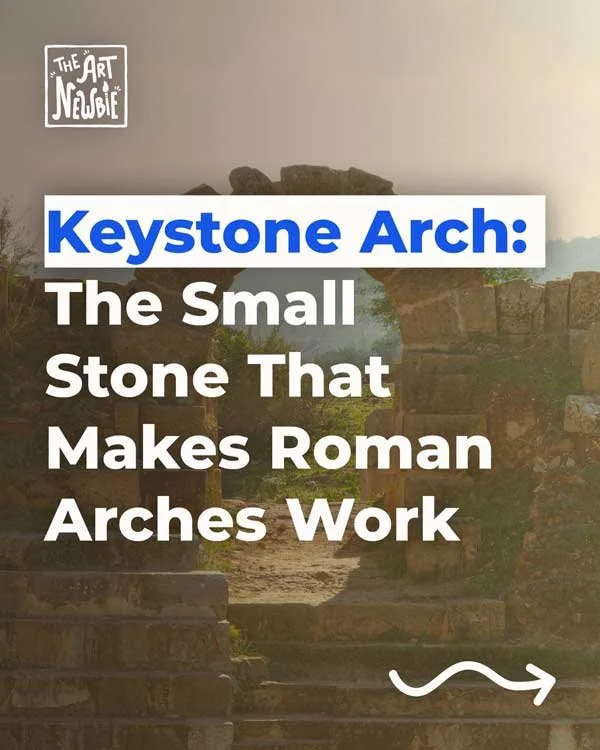
Keystone Arch: The Small Stone That Makes Roman Arches Work
A keystone is only one stone, yet it helps an arch become a stable whole. This piece clarifies what it does, what it does not do, and why it matters.
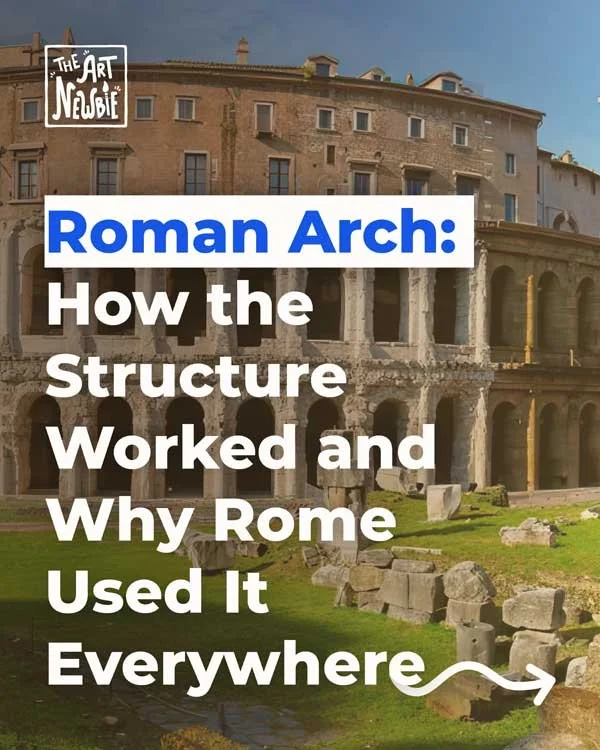
Roman Arch: How the Structure Worked and Why Rome Used It Everywhere
The Roman arch looks simple, but its effect is enormous: it redirects weight, widens spans, and multiplies building options. Understand why Rome used it almost everywhere.
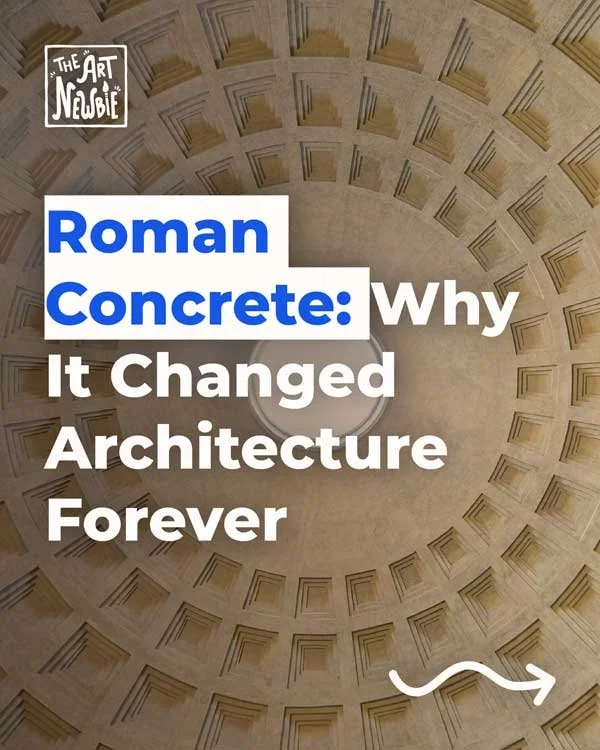
Roman Concrete: Why It Changed Architecture Forever
Roman concrete mattered because it made thicker walls, broader interiors, and more ambitious vaults possible. Follow how one material changed Roman space from the inside out.
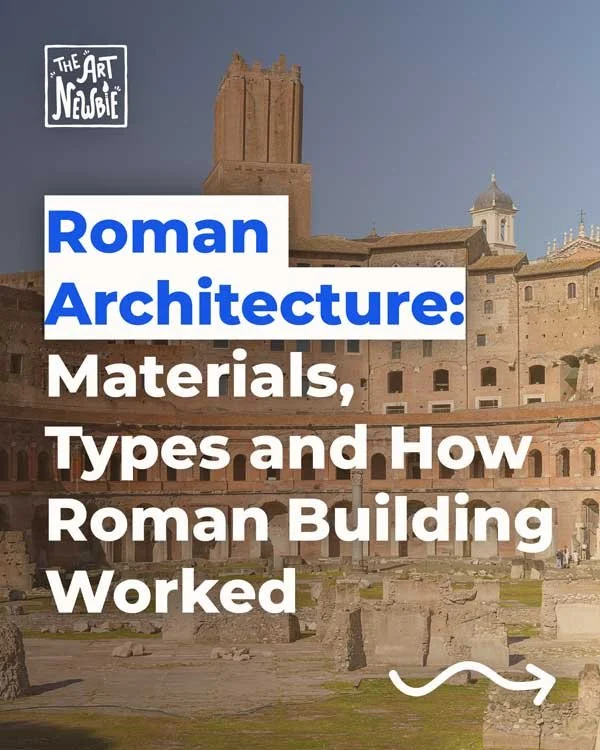
Roman Architecture: Materials, Types and How Roman Building Worked
Roman architecture is a building system, not just a gallery of ruins. It brings materials, engineering, and urban planning into one way of shaping space.





Featured Articles
Meet the Host
Hey there! I'm Riccardo, the mind behind The Art Newbie. I've been obsessed with art since my high school days, and now I'm diving deep into the world of architecture at college. The Art Newbie is my space to share everything I've learned, from the basics of art and architecture to the fascinating histories behind them.