Hellenistic Architecture: What Changes After Classical Greece?
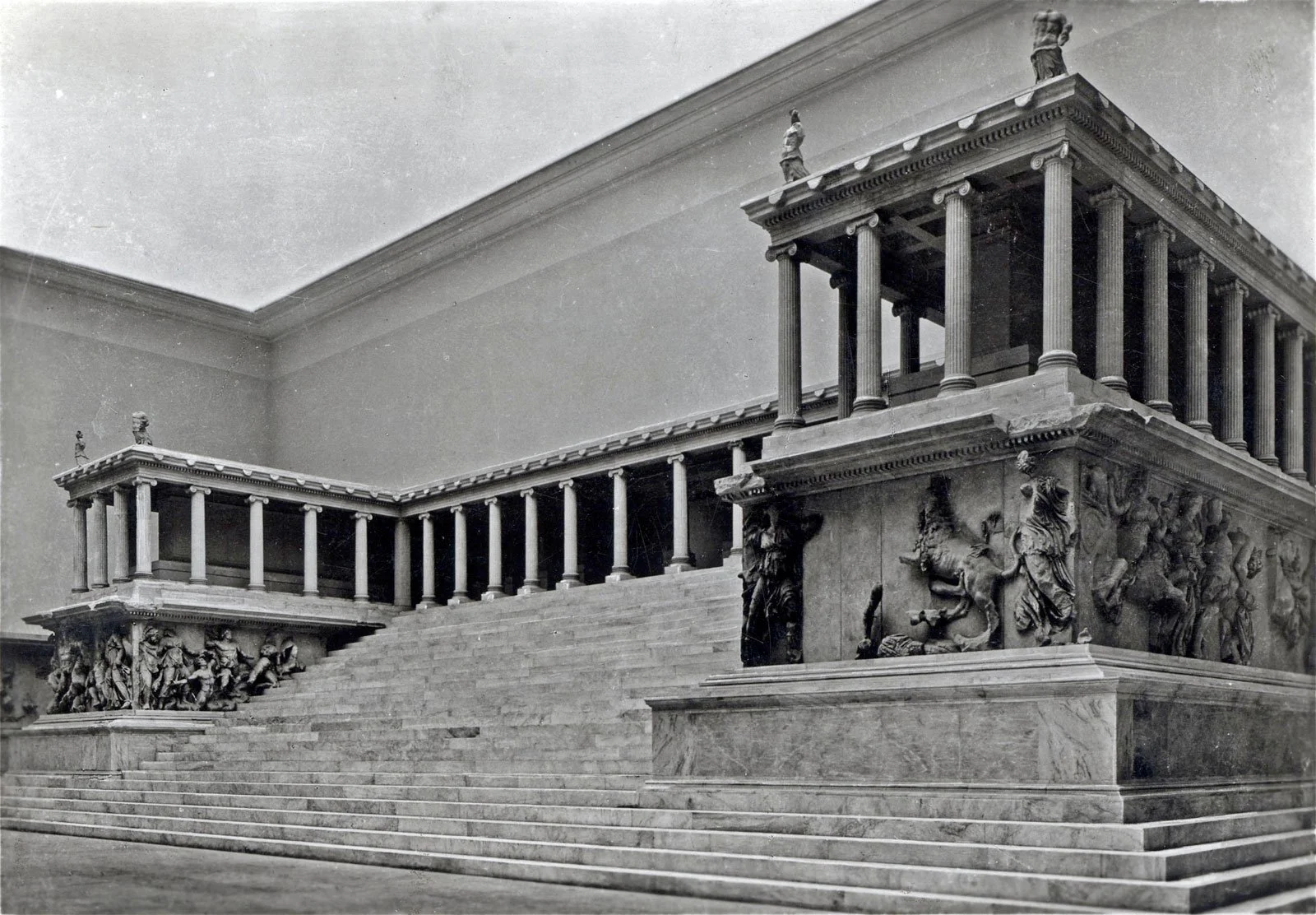
Pergamon shows how Hellenistic architecture becomes more staged, monumental, and urban.
Greek architecture does not end with the Classical temple. It changes scale, setting, and ambition. In the Hellenistic age, architecture becomes more urban, more theatrical, and more varied. Temples still matter, but they are no longer the only stars of the story. Now we also have sprawling sanctuaries, colonnaded public spaces, palaces, theaters, stoas, gymnasia, and carefully planned cities built for a larger and more connected world.
So the short answer is this: Hellenistic architecture expands Classical Greek ideas into bigger, bolder, and more diverse forms. It keeps the Greek love of columns, proportion, and public space, but uses them in a world shaped by kingdoms, major cities, and wider cultural exchange. That is why Hellenistic architecture can feel less like a single ideal type and more like a whole architectural system.
If Classical Greece often feels centered on the temple, Hellenistic period architecture feels centered on the city.
Hellenistic architecture keeps Greek traditions, but it stops revolving around one model
The first thing to understand is that Hellenistic architecture is still deeply Greek.
It still uses the architectural language we know from earlier Greek architecture: column orders, post-and-lintel construction, stone building, symmetry, and the careful shaping of public space. You still see familiar elements from the world of the Greek temple, and you still see the long afterlife of the Greek orders.
But what changes after Classical Greece is the range of building types and the scale of planning. Architecture no longer seems organized mainly around the perfection of one sacred structure. Instead, it begins to serve larger cities, bigger political systems, and more varied public needs.
That is why Hellenistic architecture can feel more expansive. The old Greek vocabulary remains, but it is used in a broader and more flexible way. Instead of asking only, “How do we build the ideal temple?” architects increasingly seem to ask, “How do we organize a city, stage a sanctuary, or create a large public environment?”
That shift is one of the clearest signs that the Greek world itself has changed.
The biggest change is urban scale
If you want to feel the Hellenistic difference quickly, look at cities.
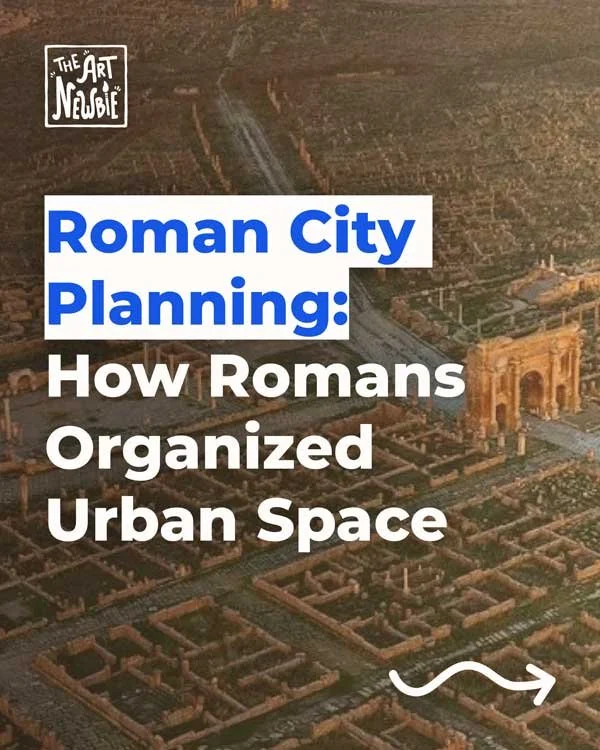
Earlier Greek architecture already included houses, stoas, theaters, and civic buildings. But in the Hellenistic age, urban planning becomes much more ambitious. Cities are larger, more regularized, and more visibly designed as complete environments rather than loose accumulations of buildings.
This matters because the Hellenistic world is shaped by kingdoms, trade routes, and major cultural centers. Architecture now has to serve populations, courts, institutions, and civic identities at a much bigger scale. It is not only about isolated monuments. It is about systems of streets, terraces, plazas, and public complexes.
That is why Hellenistic architecture often feels more spatially dramatic. Buildings are positioned to work together. Views matter more. Processional movement matters more. Monumentality is no longer only concentrated in a temple façade. It can be spread across an entire urban setting.
This is also where the broader history of ancient Greek structures becomes especially useful. The Hellenistic age does not invent Greek building from nothing. It takes earlier forms and recomposes them into larger civic and visual programs.
So the key shift is not “new columns” or “new materials” alone. It is that architecture becomes more urban in conception.
Temples still matter, but they are no longer the whole story
The Classical temple remains one of the great achievements of Greek architecture, and it does not disappear in the Hellenistic age. Sanctuaries still matter. Religious building still matters. Sacred landscapes are still central.
But temples no longer dominate the architectural imagination in quite the same way.
One reason is that Hellenistic rulers and cities are investing in a wider array of public works. Architecture is now also about display, circulation, gathering, and urban identity. A sanctuary may include stoas, altars, stairways, terraces, gateways, and processional paths that are just as important to the visitor’s experience as the temple itself.
This changes how architecture works visually. Instead of one ideal object standing clearly in space, we often get more complex settings. The visitor moves through them, climbs them, and experiences them in sequence. Architecture becomes more staged.
That does not make Hellenistic temples less Greek. It makes them part of a larger environment. The temple remains important, but it now shares the stage with the broader design of the site.
Stoas, theaters, gymnasia, and houses become more important
One of the clearest signs of change is the growing importance of secular and civic architecture.
The stoa, meaning a long covered colonnade, becomes even more central in urban life. Stoas define edges of public spaces, organize movement, provide shelter, and create architectural rhythm across marketplaces and sanctuaries. In the Hellenistic world, these long colonnaded buildings can become especially large and visually commanding.
Theater architecture also grows in importance. Theaters are not new, of course, but in the Hellenistic age they often become more monumental and more integrated into broader urban design. Architecture here is not only about religion or politics in the narrow sense. It is also about spectacle, gathering, and civic experience.
Gymnasia matter too. These were not just exercise spaces. A gymnasium was a place for training, education, and elite social life. In the Hellenistic city, such buildings become major institutions.
Even domestic space matters differently. Ancient Greek houses had always existed, but in the Hellenistic world domestic architecture can become larger, more articulated, and more visibly tied to status. Wealthier houses may be organized around peristyles, or columned courtyards, giving private life a more monumental architectural form.
So one big answer to “what changes?” is simple: more building types matter more strongly.
The orders stay Greek, but architects use them more flexibly
The Hellenistic world does not abandon the Greek column orders. If anything, it uses them more widely and more strategically.
You still need the basics from the types of columns. The sturdy visual force of the Doric column remains important, and the elegance of Ionic columns continues to shape many buildings. But the Hellenistic age often shows greater variety in how these forms are deployed.
One important shift is toward richer ornament and greater visual complexity. The Hellenistic world is often more comfortable with decorative density than the stricter Classical ideal. Architects are also more willing to use architecture for dramatic effect, not only for disciplined restraint.
This does not mean the orders lose their identity. It means they now operate inside a more varied design culture. Greek architecture becomes less singular in tone and more open to contrast, mixture, and visual richness.
Hellenistic architecture feels more theatrical because setting matters more
This may be the most useful word for the whole period: theatrical.
Not theatrical in the sense of fake, but theatrical in the sense of staged. Hellenistic architecture often seems more conscious of approach, viewpoint, and emotional effect. Stairways, terraces, elevated platforms, and framed vistas all help create a stronger sense of arrival and spectacle.
That is why Hellenistic sites can feel more dramatic than earlier Classical ones. Architecture now often works by sequence. You do not just see a building. You move toward it, around it, and through a carefully organized environment.
This is especially clear in monumental complexes such as Pergamon, where architecture is used to heighten power, visibility, and symbolic impact. The point is not only structural excellence. It is also choreographed experience.
So if Classical architecture often teaches the eye how to admire proportion, Hellenistic architecture often teaches the body how to move through designed space.

Conclusion
Hellenistic architecture changes after Classical Greece by becoming bigger in scale, broader in purpose, and more dramatic in setting. It keeps the Greek language of columns, temples, and public form, but it uses that language in cities, sanctuaries, and civic complexes that feel more expansive and more varied. Temples still matter, but now they share the architectural world with stoas, theaters, gymnasia, terraces, palaces, and carefully staged urban environments.
That is what makes Hellenistic architecture so interesting. It does not reject Classical Greece. It opens it outward.
FAQ
What is Hellenistic architecture in simple terms?
It is the architecture of the Greek world after Alexander the Great, known for larger urban planning, more varied building types, and more theatrical settings.
How is Hellenistic architecture different from Classical Greek architecture?
Classical Greek architecture often centers on the temple as the ideal form, while Hellenistic architecture expands into bigger cities, complex sanctuaries, civic spaces, and more varied monumental settings.
Do Hellenistic buildings still use Greek columns?
Yes. Hellenistic architecture continues using Greek orders such as Doric and Ionic, but often in a more flexible and visually rich way.
Are temples still important in the Hellenistic age?
Yes, but they are no longer the only focus. Stoas, theaters, gymnasia, palaces, and urban planning become much more important too.
Why does Hellenistic architecture feel more dramatic?
Because architects pay more attention to setting, movement, terraces, stairways, and the visual sequence through which a visitor experiences a site.
Does Hellenistic architecture matter for later history?
Yes. It strongly shapes later Roman architecture, especially in urban planning, monumentality, and the use of architecture as staged public experience.
Sources and Further Reading
Encyclopaedia Britannica — “Western architecture: Hellenistic period” (2026) (Encyclopedia Britannica)
Smarthistory — “Empire and Art in the Hellenistic world (c. 350–31 B.C.E.)” (n.d.) (Smarthistory)
The Metropolitan Museum of Art — “Art of the Hellenistic Age and the Hellenistic Tradition” (2007) (The Metropolitan Museum of Art)
The Metropolitan Museum of Art — “Architecture in Ancient Greece” (2004) (The Metropolitan Museum of Art)
Encyclopaedia Britannica — “Hellenistic age: Civic structures” (2026) (Encyclopedia Britannica)
You may also like