Welcome 👋🏼
Hi, I’m Riccardo.
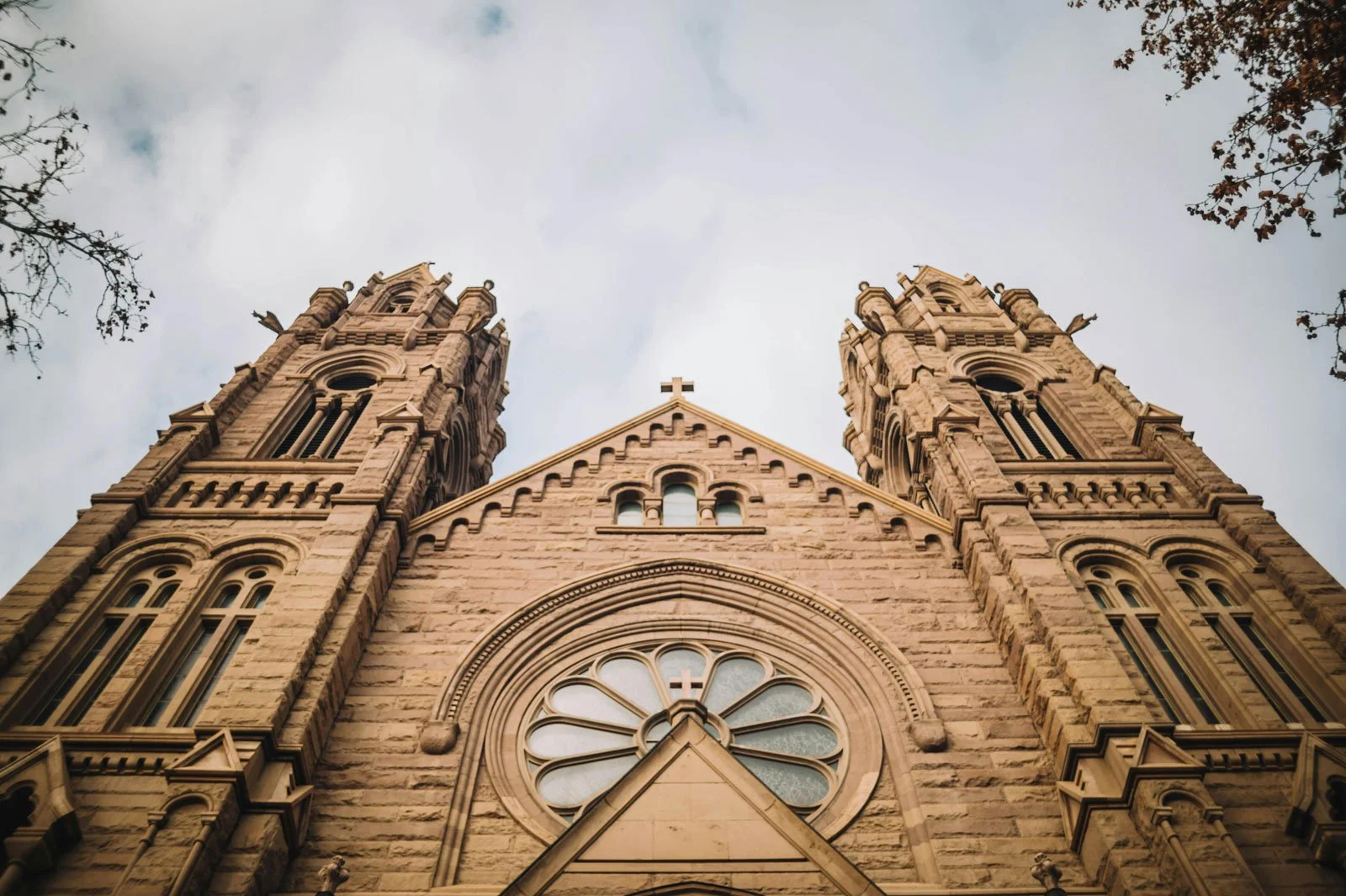
I’m based in Milan, I study architecture, and I’m the kind of person who finds it genuinely hard to walk past a church without going inside.
Even if I have no time. Even if I’m already late. Even if I know perfectly well that I said, five minutes earlier, “Okay, no more stops.”
I’ll still probably open the door, step in for a moment, look at the nave, check the side chapels, stare at the ceiling, and try to understand what is happening in there.
Not exactly the most dramatic origin story, I know. But that is honestly how a lot of my curiosity works.
I see a church, a painting, a ruin, a façade, or some strange architectural detail, and I immediately want to know more. Who built this? Why does it feel like this? What is that painting doing in the corner? Why is everyone walking past the most interesting thing in the room?
That is basically where The Art Newbie comes from.
I love art and architecture, but I also know how confusing they can feel when you are actually traveling. Every museum tells you it has masterpieces. Every city has must-sees. Every church has five centuries of history waiting for you before you have even figured out where to stand.
And after a while, everything starts sounding important.
This site exists because I wanted art and travel guides that actually help you choose, look, and understand.
Why I Started The Art Newbie
I have always loved art, but not in a perfectly organized, “I always knew what I was doing” kind of way.
I love classical painting. I love old churches. I love ancient Rome and Greece. I love medieval architecture. I love buildings that make you stop walking for no practical reason. And of course, since I study architecture, I also love overthinking why a square works, why a façade feels balanced, or why one church makes you lower your voice the second you enter.
Very normal behavior, obviously.
But the more I learned, the more I noticed something annoying: a lot of art-history writing makes things harder to enjoy than they need to be.
Sometimes it gives you too much context before you even know what you are looking at. Sometimes it gives you almost nothing, just “this is famous” or “this is beautiful.” And sometimes travel content does the opposite problem, where every single place is apparently “unmissable,” “breathtaking,” or “one of the most beautiful hidden gems in the city.”
Let’s be honest. They cannot all be unmissable.
Some places really are essential. Some are worth entering for one painting. Some are better for a second visit. Some are famous but not necessarily the best use of your limited time. And some look boring until someone tells you the story behind them, and then suddenly they become the thing you remember most.
That is the kind of distinction I wanted this site to make.
The Art Moment That Still Gets Me
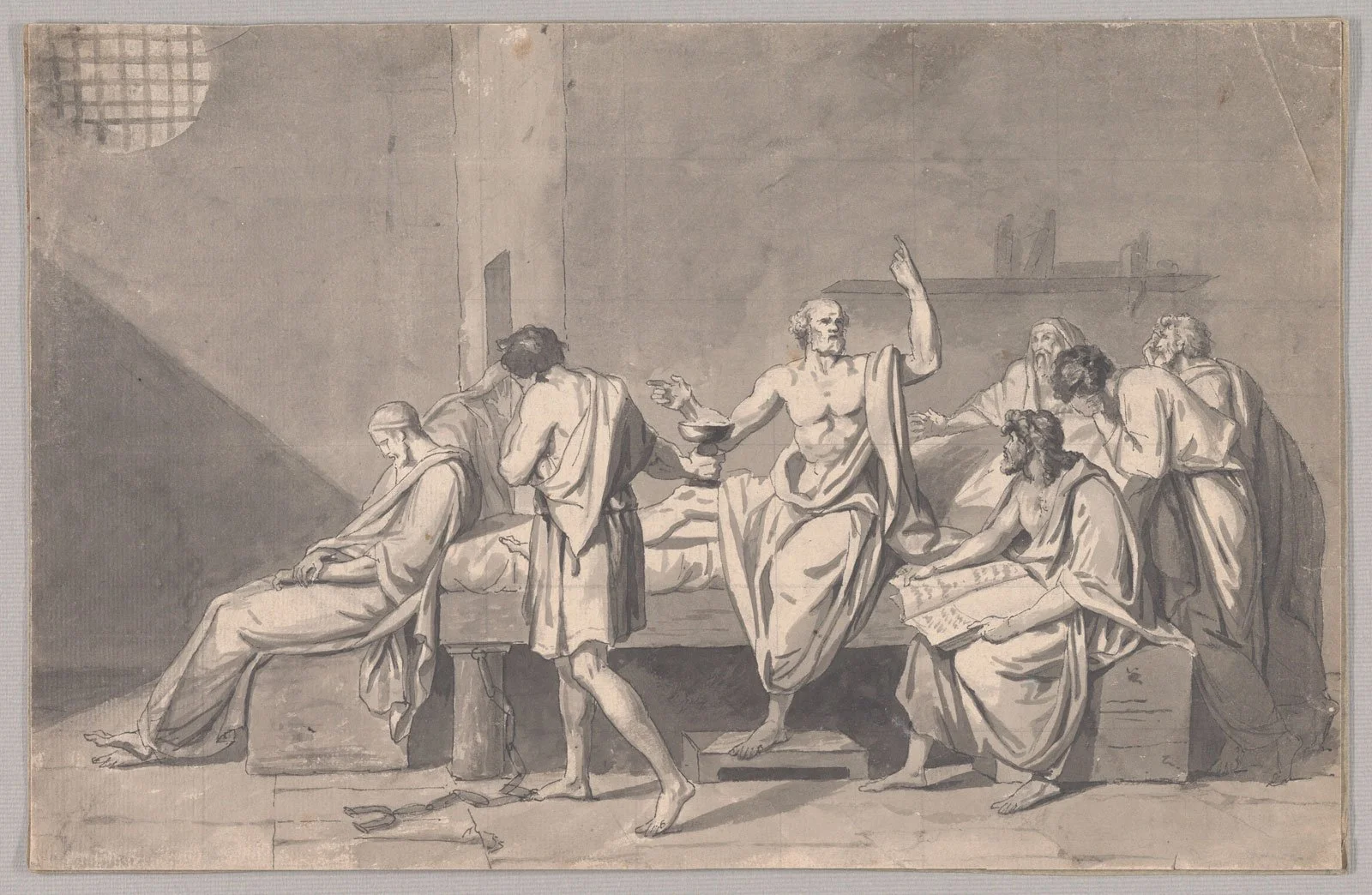
I should probably mention this because it says a lot about me: once, I cried in front of The Death of Socrates at the Met.
I know. Very subtle.
But it really happened. I was standing there in front of this huge, calm, tragic classical painting, and for some reason it hit me much harder than I expected. The composition, the story, the seriousness of it, the whole ancient world turned into this perfectly staged emotional punch. It just got me.
I do not think every artwork needs to destroy you emotionally. Most museum visits are much more normal than that. Sometimes you are tired, hungry, overstimulated, and trying to find the exit without accidentally entering six more rooms.
But every now and then, something lands.
A painting. A chapel. A ruin. A building. A tomb. A ceiling you were not expecting. A small detail everyone else seems to ignore.
Good art writing, at least for me, should make those moments more possible. It should not tell you what to feel, but it should give you enough context to notice what you might otherwise miss.
Why “The Art Newbie”?
I chose the name The Art Newbie because I like the honesty of it.
Even when you study art or architecture, you are always new to something. A new city, a new church, a new painter, a new period, a new ruin, a new style you thought you understood until you saw it in real life and realized you were only halfway there.
Being a newbie does not mean being clueless. It means staying curious without pretending you already know everything.
And honestly, I think that is a much better way to approach art.
Because the useful questions are often simple ones.
What should I look at first?
Why does this painting matter?
Is this museum actually worth half a day?
Why does this church feel so different from the one next door?
What is the story behind the thing everyone walks past?
Those are the questions I care about most.
I would rather explain one artwork clearly than throw twenty names at you and hope some of them sound impressive.
The Kind Of Guides I Wanted To Read
When I plan a trip, I do not only want a list of places. I want someone to help me understand the trade-offs.
I want to know which museum needs proper time and which one can be done in a focused hour. I want to know which church is worth the detour and which one is only worth it if I am already nearby. I want to know which artwork I should not miss, what detail I should look for, and whether a famous site is actually going to feel meaningful without extra context.
Basically, I want the kind of advice a friend would give you after they have already made the mistakes.
“Go here first.”
“Skip this if you’re tired.”
“Book that one.”
“Don’t combine those two in the same afternoon.”
“Enter this church even if you only have ten minutes.”
“Look up when you walk in.”
“That famous thing is good, but the room next to it is better.”
That is the kind of guide I try to wrie: practical, honest, and useful before anything else.
Why Architecture Shapes Everything Here
Studying architecture changed how I travel.
Before, I mostly thought about places as collections of things to see. Now I notice the space between them too: the streets, the façades, the routes, the light, the proportions, the awkward corners, the good shortcuts, the bad museum layouts, the churches that feel powerful before you even know their history.
Architecture makes you realize that a city is not just a checklist.
It is a physical experience.
You walk through it. You get tired in it. You turn corners. You enter dark churches from loud streets. You climb stairs. You stand in front of ruins trying to imagine what is missing. You sit in squares and slowly understand why people keep gathering there.
That is why The Art Newbie is not only about paintings, even though I love paintings.
It is also about churches, museums, ruins, monuments, streets, chapels, tombs, façades, city routes, and the way everything fits together when you are actually there.
Because that is how we experience art when we travel. Not as isolated textbook examples, but as things inside real places.
The Ancient Rome And Greece Thing
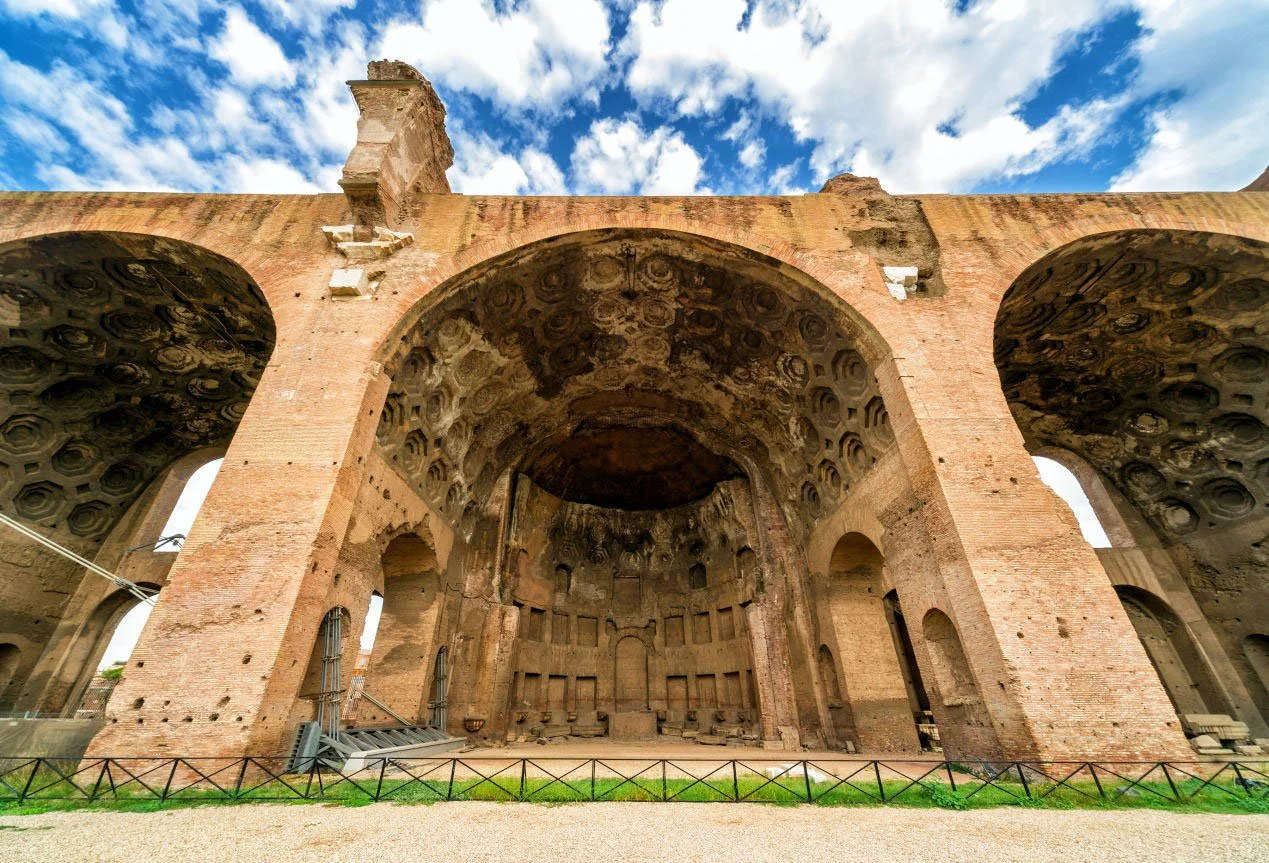
Since I am Italian, ancient Rome is not exactly a distant subject for me.
It is part of the ground under everything. Not in a dramatic “Rome invented the world” way, but in the sense that Roman and Greek culture shaped so much of the visual language around me: columns, ruins, myths, proportions, temples, churches built over older sites, museums full of fragments, and cities where the past never really disappears.
I love that.
I love the epic seriousness of ancient sculpture. I love Roman ruins that still dominate a street corner. I love Greek myths showing up in paintings centuries later. I love how classical ideas keep returning in architecture, from temples to Renaissance palaces to neoclassical museums.
But I also know ancient art can become a blur very quickly.
Temple. Statue. Column. Emperor. Repeat.
So when I write about ancient art or architecture, I try to make it more visual and less abstract. What are you actually looking at? What survives? What is missing? Why did this matter? And why should you care when you are standing there in person?
That is always the practical question.
What You’ll Find Here
The Art Newbie is my attempt to make art history useful for real travel.
Not less serious. Just less confusing.
You’ll find guides to museums, with advice on what to prioritize, what to skip, and how to avoid wandering through room after room with no plan.
You’ll find guides to churches, because I genuinely think churches are some of the best art spaces in Europe, and a lot of people walk into them without realizing what is hidden in the chapels, altars, tombs, mosaics, and side aisles.
You’ll find guides to architecture, written for people who want to understand buildings without needing to speak like a professor.
You’ll find guides to artworks, where the point is not only who made the thing and when, but what you should look at first and why the work still matters.
You’ll also find guides to ancient sites, ruins, cities, routes, styles, and art-history periods, always with the same basic idea: explain enough to help you see better, without turning the topic into homework.
I like explaining complex things in simple terms.
Not childish terms.
Simple terms.
There is a difference.
What You Can Expect From Me
You can expect honest opinions.
If I think something is worth planning around, I’ll say that. If I think something is better for a second visit, I’ll say that too. And if a famous place is only really worth it for certain travelers, I’ll try to explain who it is for instead of pretending everyone needs to love it equally.
You can expect practical art history.
I care about dates, patrons, myths, styles, and historical context, but only when they help you see better. Usually, the first thing you need is not a full academic background. You need to know where to look, what is easy to miss, why something looks the way it does, and how much attention it deserves.
You can also expect guides that respect your time.
I am very much someone who likes planning a city before arriving. Not because I want every minute controlled, but because I hate wasting good travel time through bad decisions. I want to know which churches are near each other, which museum needs a booking, which famous stop can wait, and which artwork deserves the detour.
Because cultural travel is not about seeing everything.
It is about seeing the right things with enough context to actually enjoy them.
What This Site Is Not
This site is not a museum wall label.
It is not a tourism board brochure.
It is not here to call everything magical.
And it is definitely not here to make art history sound more complicated than it needs to be.
There are already enough names, dates, popes, patrons, dynasties, myths, symbols, and architectural terms flying around. Some of them matter. Many of them only matter after you know what you are looking at.
So I try to start there.
With the looking.
Some Useful Facts About Me
Where I’m based: Milan.
What I study: Architecture.
What I struggle to walk past: Churches.
What I love most: Classical painting, medieval architecture, ancient Rome, ancient Greece, and buildings with real presence.
An artwork that hit me hard: The Death of Socrates at the Met.
A travel habit I probably overdo: Planning the city before I arrive.
A thing I dislike: Travel guides where everything is “unmissable.”
A thing I care about: Explaining complex art and architecture in simple, useful terms.
A belief I stand by: One well-understood church is better than five rushed ones.
Start Here
Read the guides if you are planning a trip, choosing between museums, trying to understand a church, or wondering whether a famous site is actually worth your time.
Read the art-history articles if you want the background: periods, styles, artists, artworks, architecture, ancient cultures, and the stories behind what you see.
The point is not to know everything before you travel. That would be impossible, and honestly, it would probably make the trip worse.
The point is to arrive with enough context that the city, museum, church, painting, or ruin starts speaking a little more clearly.
That is what The Art Newbie is for.

Let’s learn, grow, and be inspired together.
Welcome to The Art Newbie!
F.A.Q.
-
The Art Newbie is an art-history and art-travel site for curious travelers.
I write about museums, churches, artworks, architecture, ruins, cities, and styles in a way that helps you actually understand what you are looking at.
Basically, less “here are 40 dates,” and more “look here first, this is why it matters, and this is whether it is worth your time.”
-
Not really.
The name is The Art Newbie because I like the honesty of staying curious. Even if you study art or architecture, every new city, church, museum, or period makes you a beginner again in some way.
So yes, the guides are accessible if you are new to art history. But they are not written like children’s summaries. Clear does not mean shallow.
-
I write two main types of articles.
The first type is art-history explainers: artworks, artists, styles, periods, architecture, ancient cultures, churches, and visual details that are easy to miss.
The second type is art-travel guides: museum guides, church guides, monument guides, city routes, itinerary advice, and “is it worth visiting?” articles.
So one article might help you understand a painting. Another might help you decide which churches to visit in Rome without ruining your whole afternoon.
-
A lot of travel blogs make everything sound unmissable.
And honestly, that is not very useful.
Some places are essential. Some are better for a second visit. Some are worth entering for one artwork. Some are famous, but not always the best use of your limited time.
I try to explain the difference instead of pretending every stop deserves the same amount of attention.
-
A lot of art-history writing starts too far away from the actual object.
You get the date, the patron, the movement, the artist biography, the political context, and three specialist words before anyone tells you what to look at.
I try to start with the looking.
Where should your eyes go first? What detail matters? What is the story behind it? Why does this building, painting, chapel, or ruin feel the way it does?
The context comes in when it helps you see better.
-
Yes. That is the point.
I care about beauty and history, but I also care about tickets, routes, crowds, opening hours, museum fatigue, church closures, and whether two places make sense in the same day.
A cultural guide should not only tell you what is famous. It should help you decide what to prioritize, what to skip, how long to spend, and what not to miss when you are actually there.
-
No.
You can start from zero, but I will not talk to you like you are stupid.
I explain things clearly, avoid unnecessary academic fog, and focus on the details that help you understand the artwork, building, church, museum, or city in front of you.
The goal is not to memorize everything. The goal is to arrive with enough context that things start making sense.
-
If you are planning a trip, start with the city, museum, church, monument, or itinerary guides.
If you want to understand the background, start with the art-history explainers: styles, periods, artists, artworks, architecture, and ancient cultures.
The best way to use The Art Newbie is simple: read enough before you go so the place feels less random when you arrive.
Not everything.
Just enough.