
BLOG
Exploring Creativity, Together!
All Articles
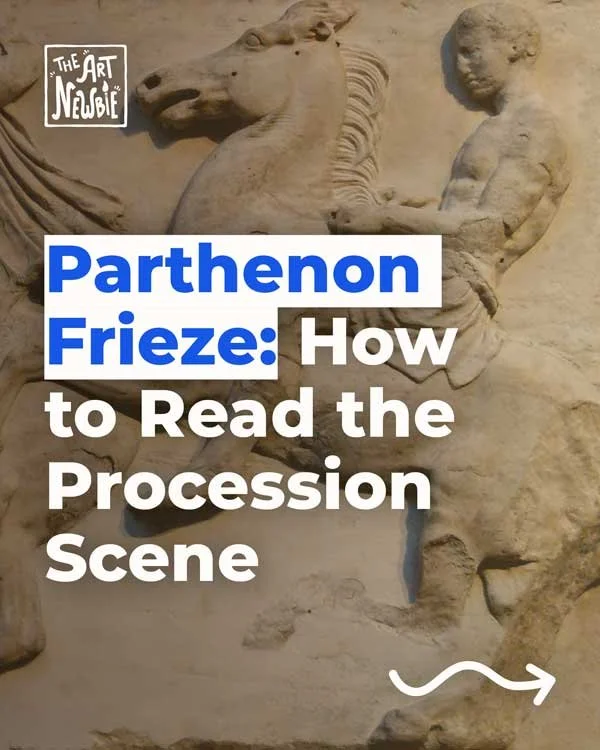
Parthenon Frieze: How to Read the Procession Scene
What looks like a calm marble crowd is a carefully staged civic ritual. Read the frieze as movement, order, and arrival rather than just parade.
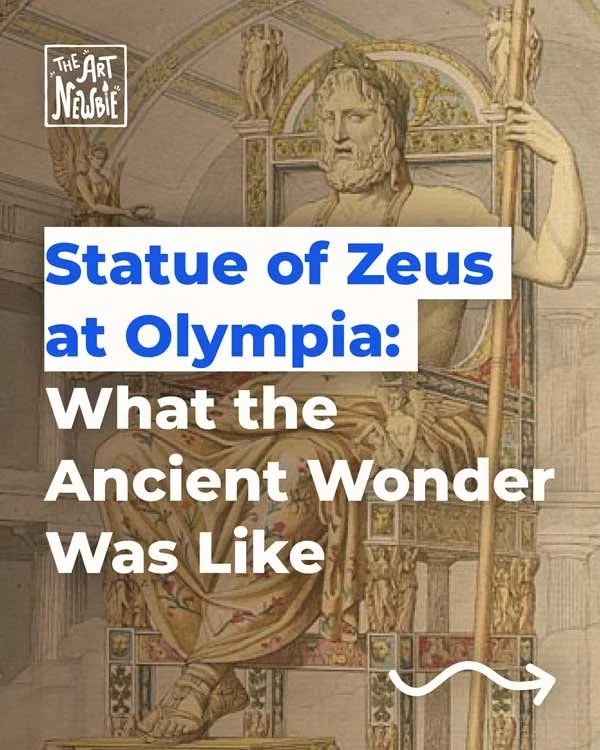
Statue of Zeus at Olympia: What the Ancient Wonder Was Like
The ancient wonder was not just famous for size. It was designed to make Zeus feel present, royal, and almost too large for the temple around him.
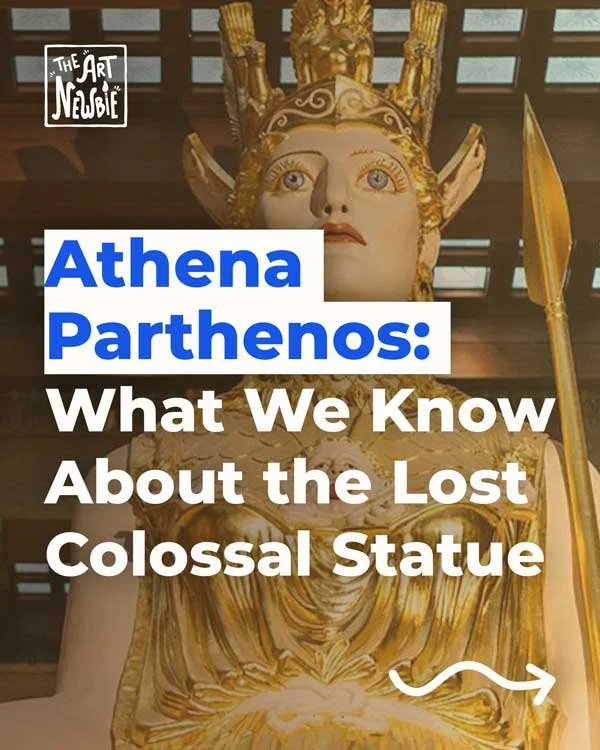
Athena Parthenos: What We Know About the Lost Colossal Statue
We cannot see Athena Parthenos today, but texts, copies, and records still let us rebuild its scale, materials, and civic force with unusual clarity.
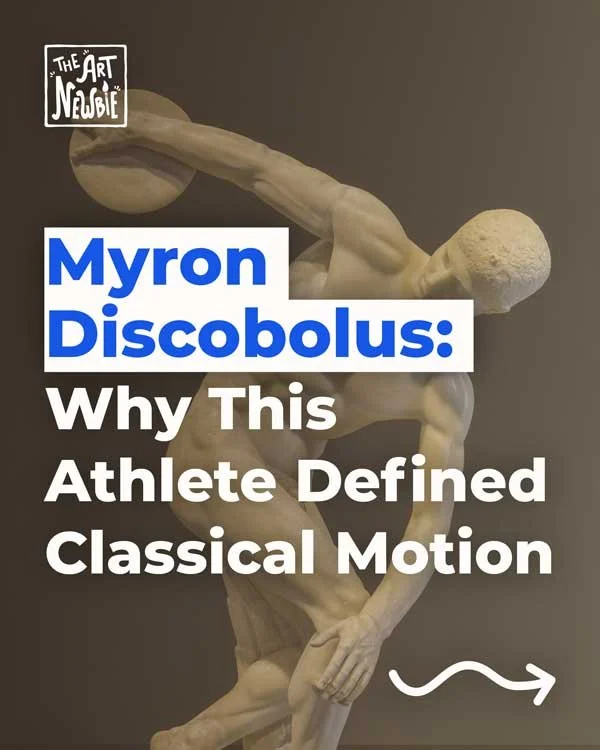
Myron Discobolus: Why This Athlete Defined Classical Motion
The Discobolus is not a sports snapshot. It is a carefully wound body, built to make action feel clear, controlled, and almost inevitable.
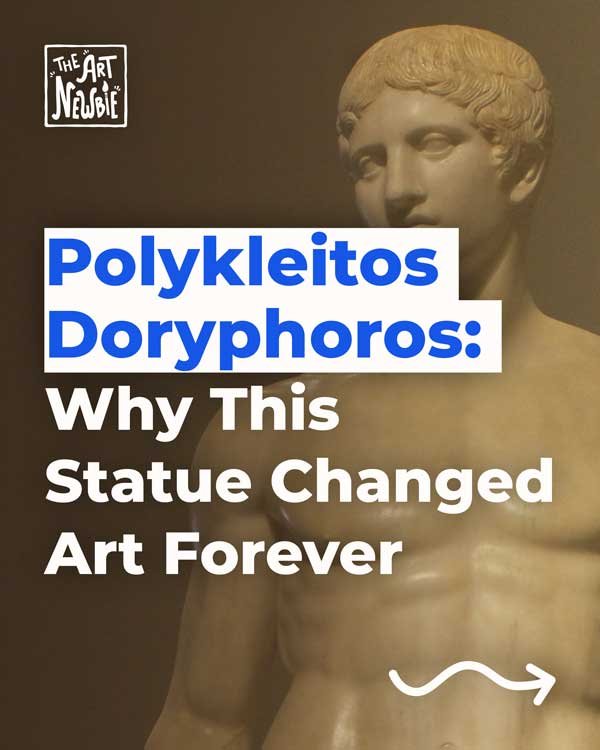
Polykleitos Doryphoros: Why This Statue Changed Art Forever
The Doryphoros matters because it made the Classical body teachable. This article shows how one statue turned proportion and stance into a model.
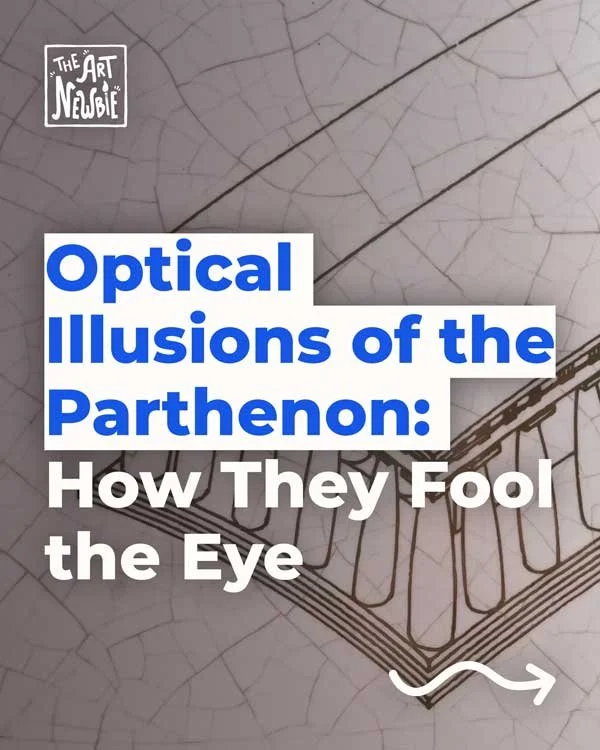
Optical Illusions of the Parthenon: How They Fool the Eye
What feels like pure regularity is actually a set of tiny refinements. See how the Parthenon bends just enough to look more stable and clear.
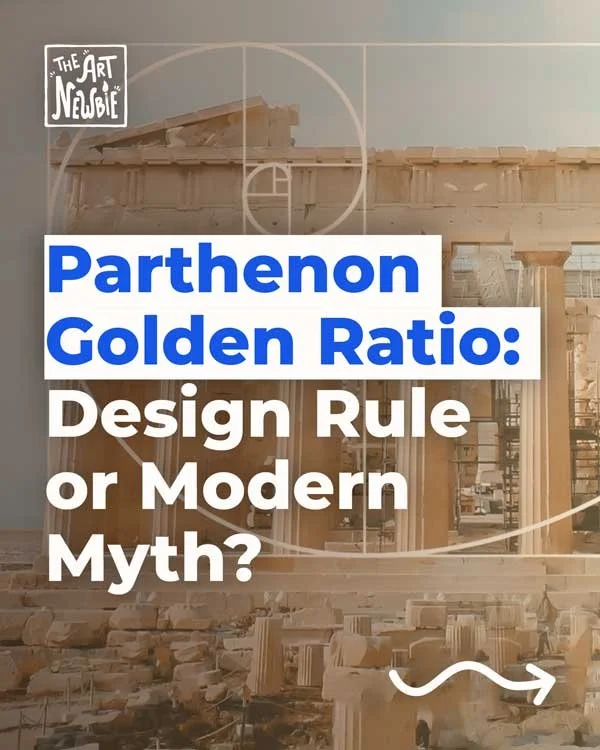
Parthenon Golden Ratio: Design Rule or Modern Myth?
The Parthenon does use proportion with unusual discipline, but that is not the same as proving a golden-ratio blueprint. Here is the cleaner reading.
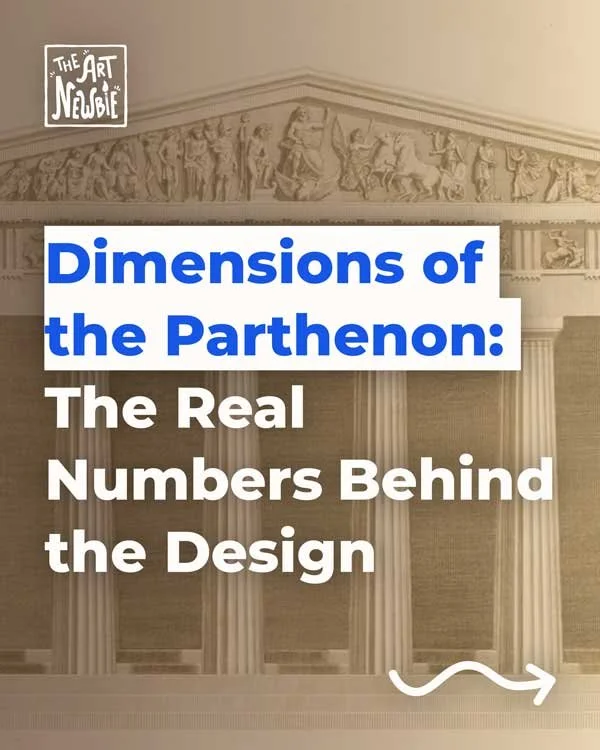
Dimensions of the Parthenon: The Real Numbers Behind the Design
Start with the actual dimensions, not the myth. This article explains the Parthenon’s footprint, column rhythm, and why the numbers matter visually.
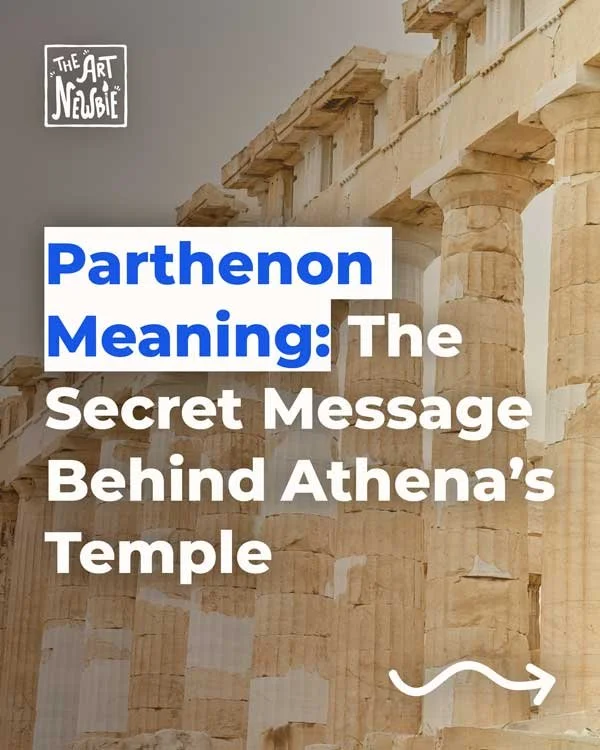
Parthenon Meaning: The Secret Message Behind Athena’s Temple
The Parthenon is not just beautiful stone. It is Athens turning religion, civic identity, and ambition into one carefully staged building.
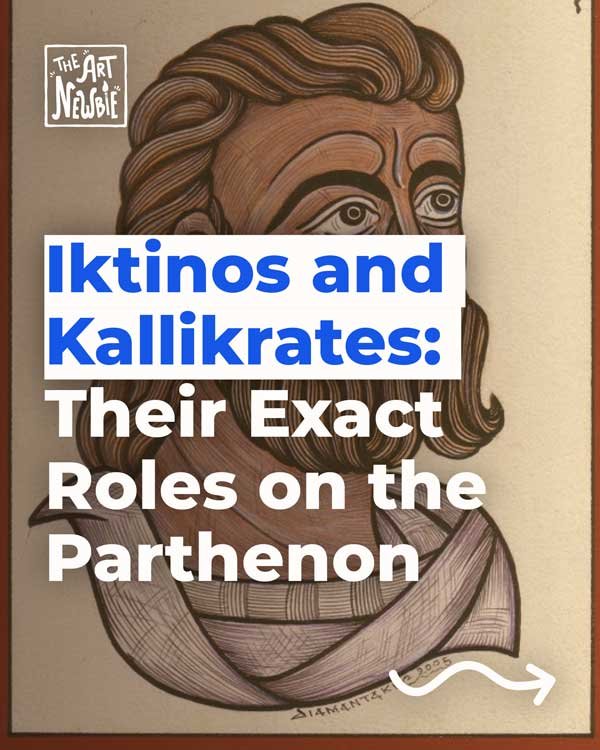
Iktinos and Kallikrates: Their Exact Roles on the Parthenon
These are the two names behind the Parthenon, yet their roles were not identical in any simple way. Understand what design, planning, and execution likely meant here.
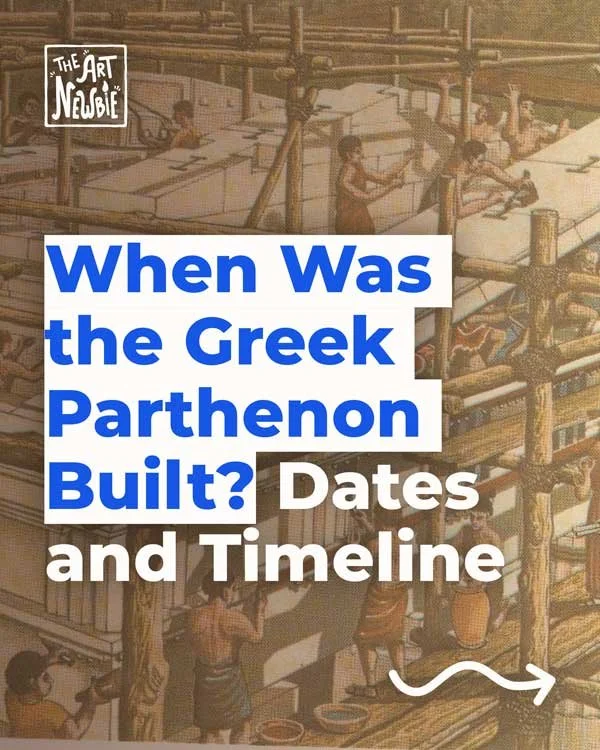
When Was the Greek Parthenon Built? Dates and Timeline
The Parthenon was built in phases, not in one neat moment. This piece sorts 447, 438, and 432 BCE into a clear timeline you can actually trust.
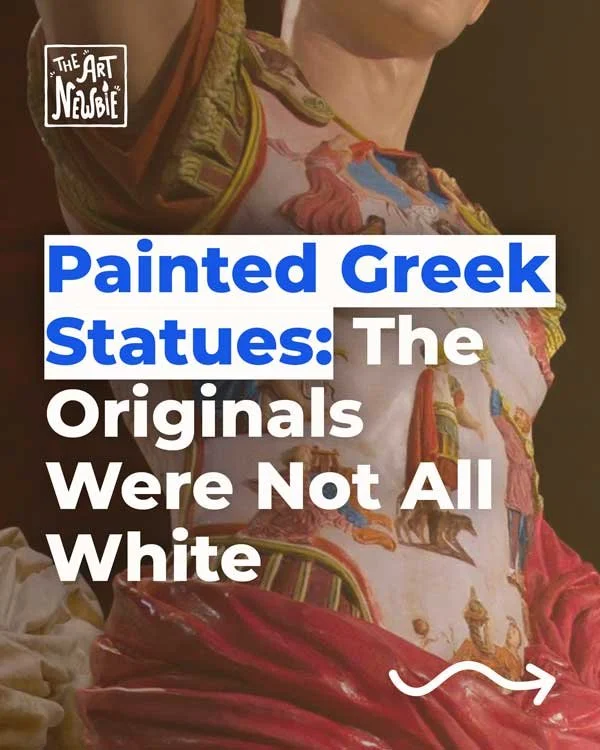
Painted Greek Statues: The Originals Were Not All White
Greek statues were not originally plain white marble. Find out how pigment, pattern, and surface detail once made these works brighter and more visually complex.
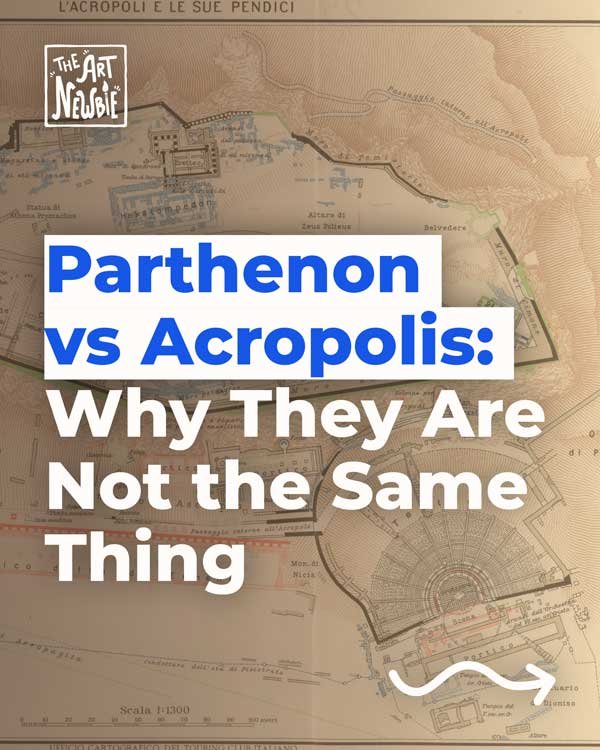
Parthenon vs Acropolis: Why They Are Not the Same Thing
The Parthenon and the Acropolis are closely linked, but they are not the same thing. This guide clarifies the building, the hill, and why the distinction matters.
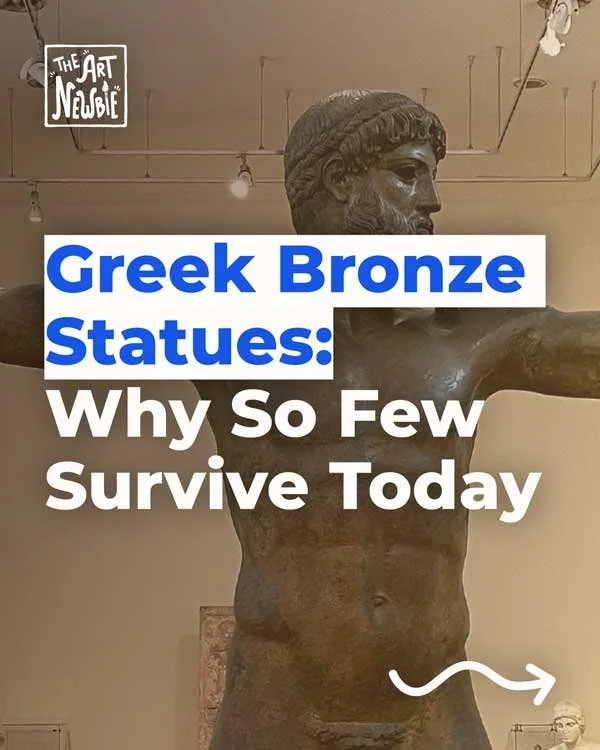
Greek Bronze Statues: Why So Few Survive Today
Greek bronze statues were once everywhere, but most are gone because bronze could be melted and reused. This article explains survival, loss, and what remains.
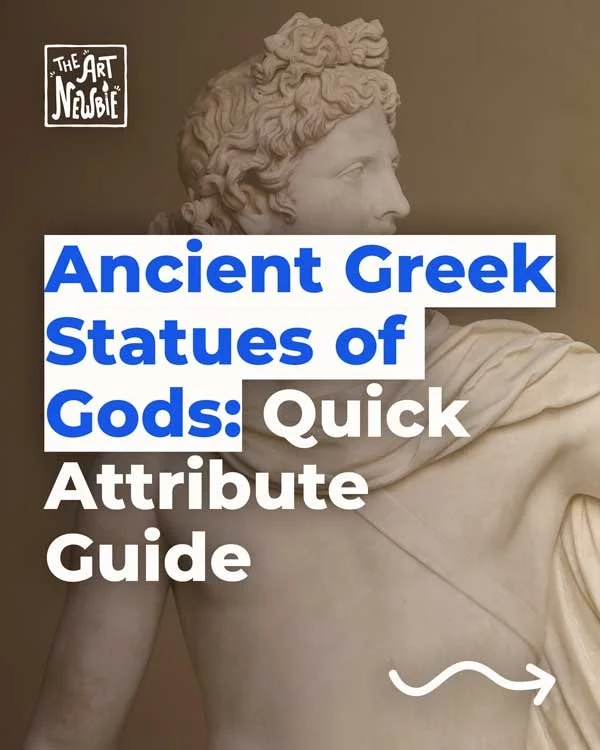
Ancient Greek Statues of Gods: Quick Attribute Guide
Greek gods are easier to identify once you stop looking for labels and start looking for clues. This guide maps the main attributes that signal each deity.
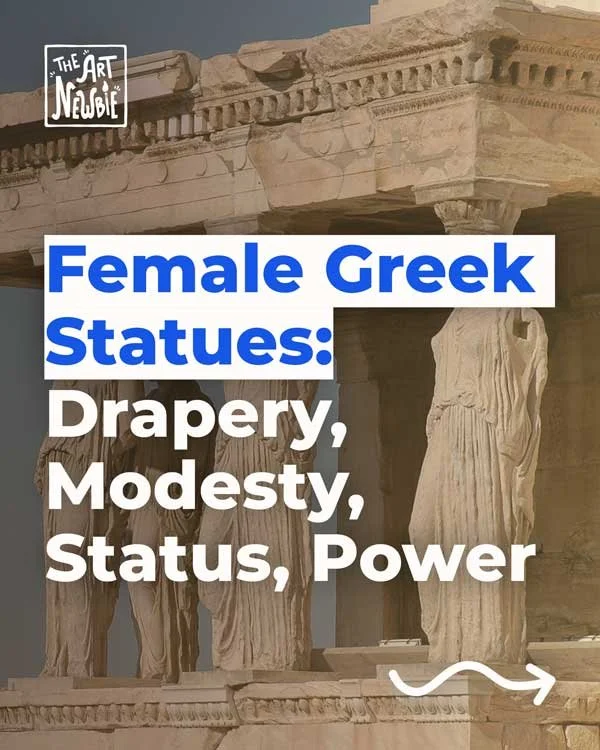
Female Greek Statues: Drapery, Modesty, Status, Power
Female Greek statues often speak through drapery rather than nudity. See how cloth, posture, and surface turn modesty, status, and power into visible form.
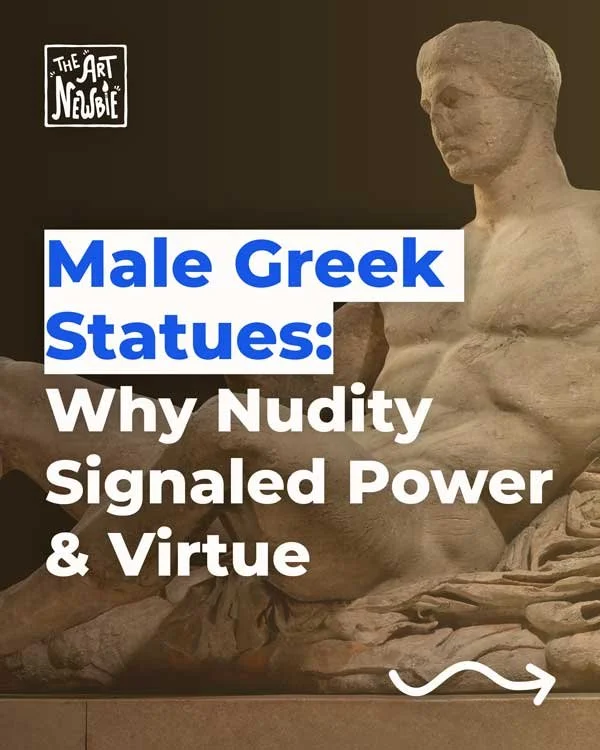
Male Greek Statues: Why Nudity Signaled Power & Virtue
Male Greek nudity was never just about the body alone. It signaled virtue, status, discipline, and heroic value inside a very specific cultural code.
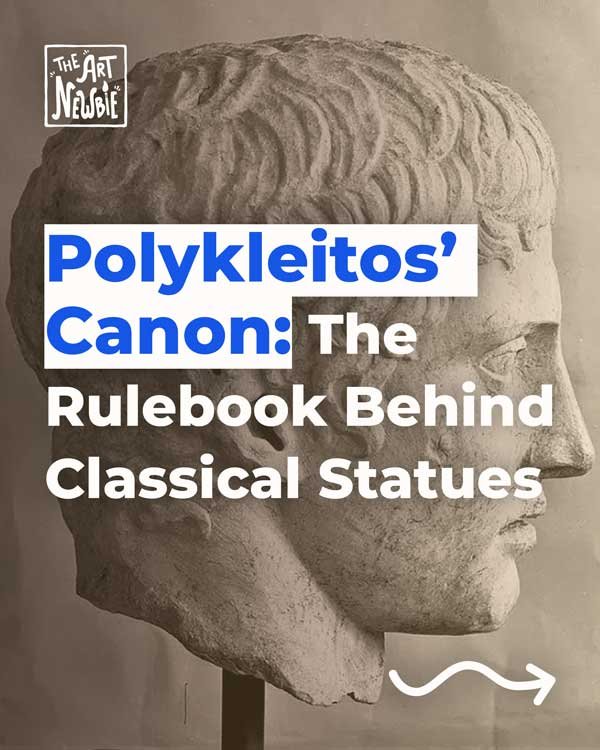
Polykleitos’ Canon: The Rulebook Behind Classical Statues
Polykleitos’ Canon matters because it turns beauty into something buildable. This article explains how one sculptor made proportion feel teachable and repeatable.
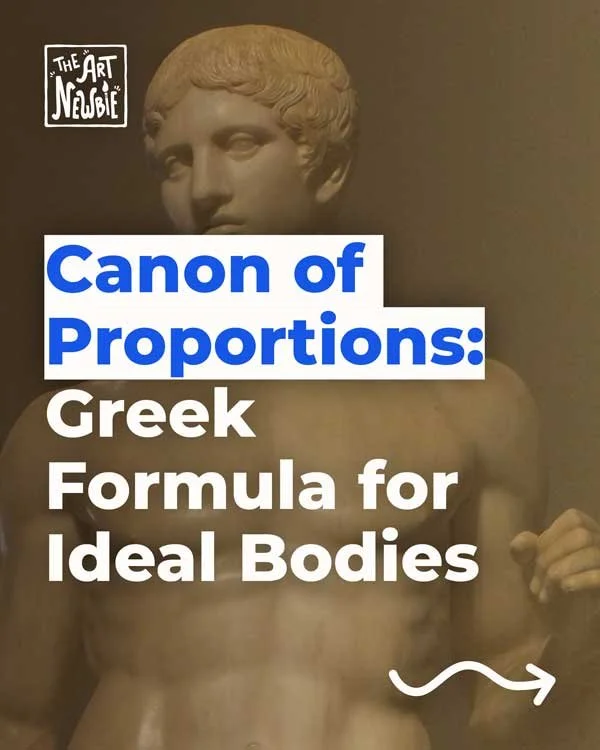
Canon of Proportions: Greek Formula for Ideal Bodies
The canon of proportions is not a magic number but a way of organizing the body. Understand how Greek artists used ratios to make figures feel coherent.
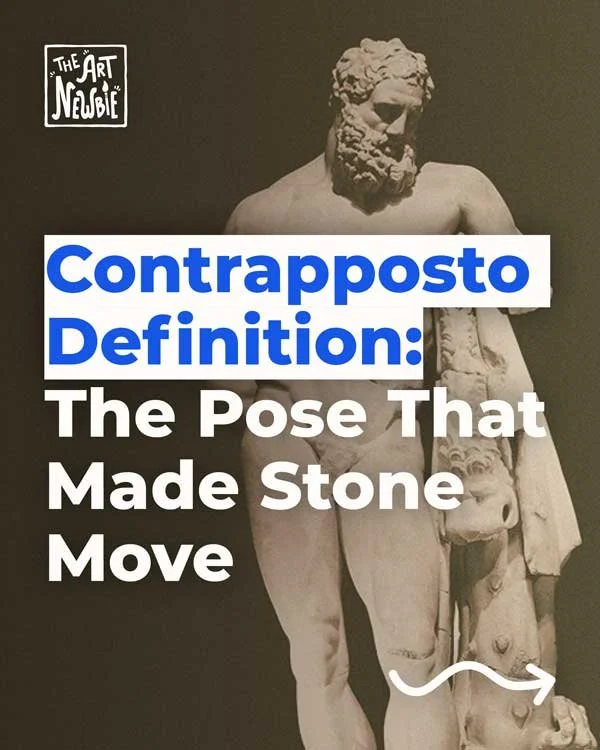
Contrapposto Definition: The Pose That Made Stone Move
Contrapposto is a weight shift, but its effect is much bigger than that. Learn how one tilted stance made Greek statues feel less rigid and more alive.
Featured Articles
Meet the Host
Hey there! I'm Riccardo, the mind behind The Art Newbie. I've been obsessed with art since my high school days, and now I'm diving deep into the world of architecture at college. The Art Newbie is my space to share everything I've learned, from the basics of art and architecture to the fascinating histories behind them.