Roman Forum: What It Was and How the Space Worked
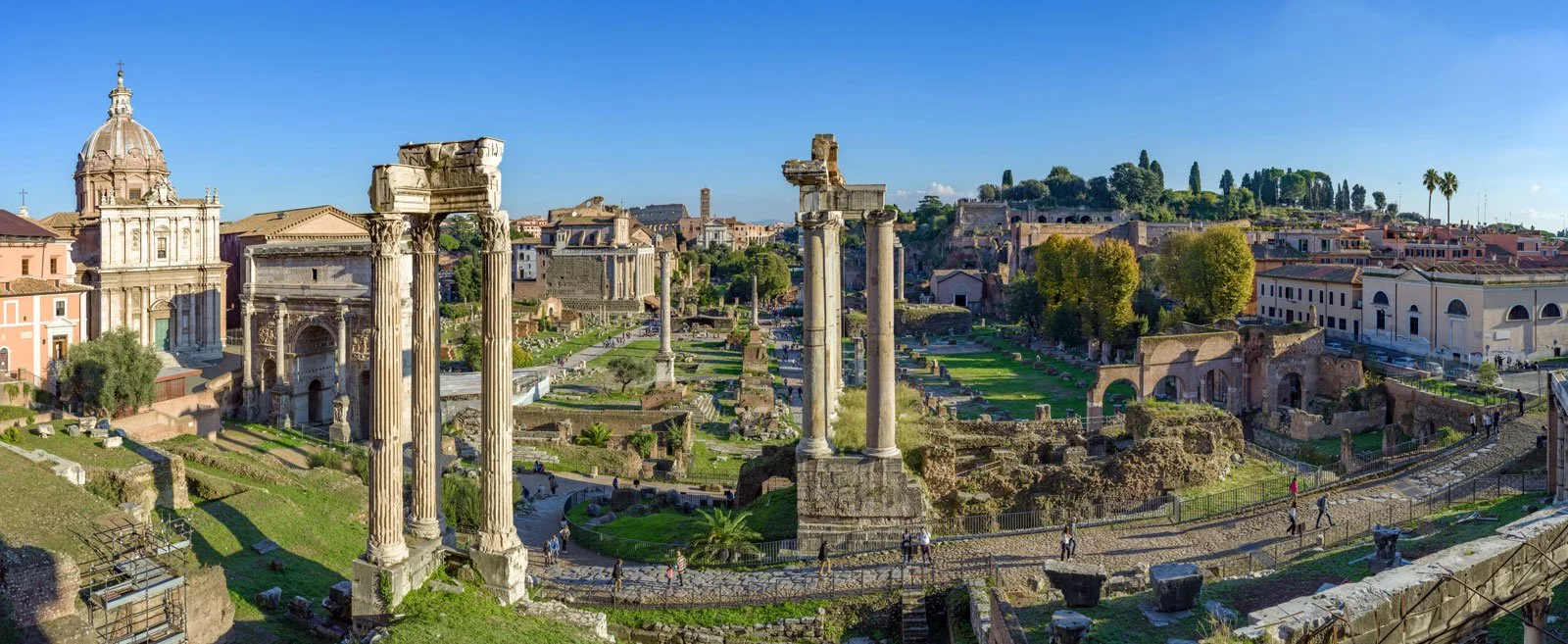
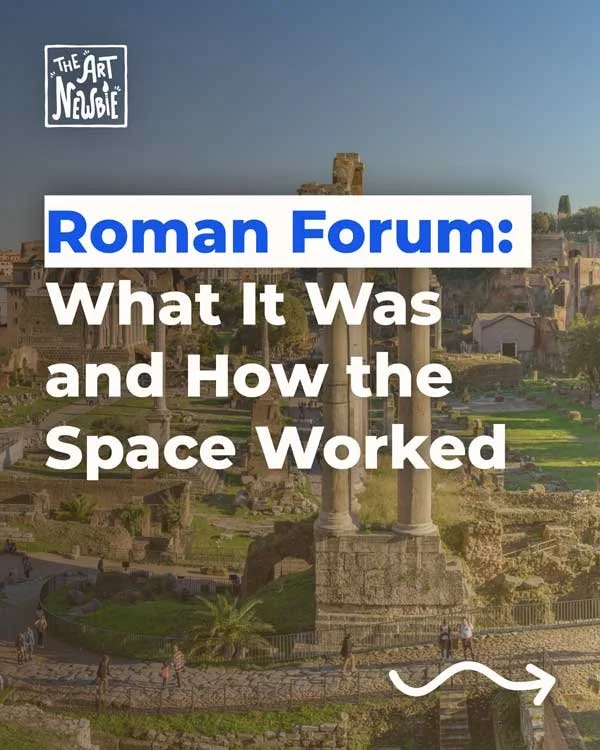
The Roman Forum makes more sense from a view like this, where its buildings and routes start to read as one public system.
The Roman Forum was the civic heart of ancient Rome. It was not just a plaza and it was not just a field of ruins waiting to be admired. It was the place where politics, religion, law, commerce, ceremony, and public memory were all packed into one dense urban space. That is what makes it so important. If you want to understand how Rome organized public life, the Forum is the clearest single place to start.
It also helps to clear up a common misunderstanding. The Roman Forum was not planned all at once as one perfectly finished composition. It grew over centuries. Buildings were added, rebuilt, replaced, and reinterpreted. Routes shifted. Meanings changed. New monuments appeared as the Roman state changed from kingdom to republic to empire. So the Forum is best understood not as one frozen design, but as a layered civic space that kept adapting while remaining central.
That is why it still matters so much. The Roman Forum shows how Roman public space actually worked.
What was the Roman Forum?
The Roman Forum, or Forum Romanum, was the main public center of ancient Rome. In simple terms, it was a shared civic space where important parts of Roman life came together: government, religion, law, public speaking, business, and ceremony.
What made it different from an ordinary market square was the density of its functions. Temples stood beside political buildings. Public speaking platforms faced open gathering space. Basilicas provided covered civic interiors. Sacred routes crossed the area. The Forum was not one-purpose architecture. It was a highly concentrated urban stage.
This is why the Forum matters so much within Roman architecture. It shows that Rome was not only good at making individual monuments. It was also good at organizing relationships between monuments. A temple meant something different because it stood beside a basilica. A Senate house meant something different because it faced public space. The Forum made those relationships visible.
Where was the Forum located?
The Roman Forum occupied the low ground between some of Rome’s most important hills, especially the Palatine and the Capitoline. That setting matters because the site was not originally an ideal civic square. It began as a low, marshy valley.
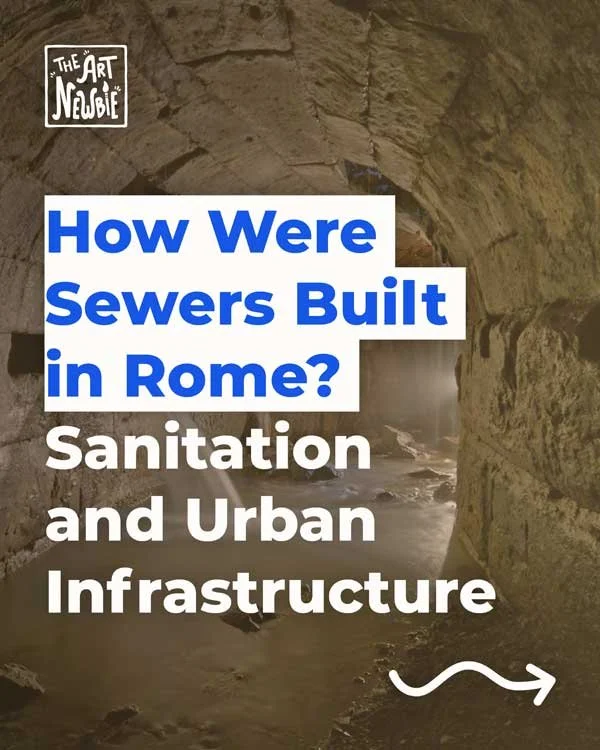
This is one of the most revealing facts about the Forum. The space had to be made usable. Drainage and land reclamation were essential to its development. In other words, the civic center of Rome depended on infrastructure before it could fully become architecture.
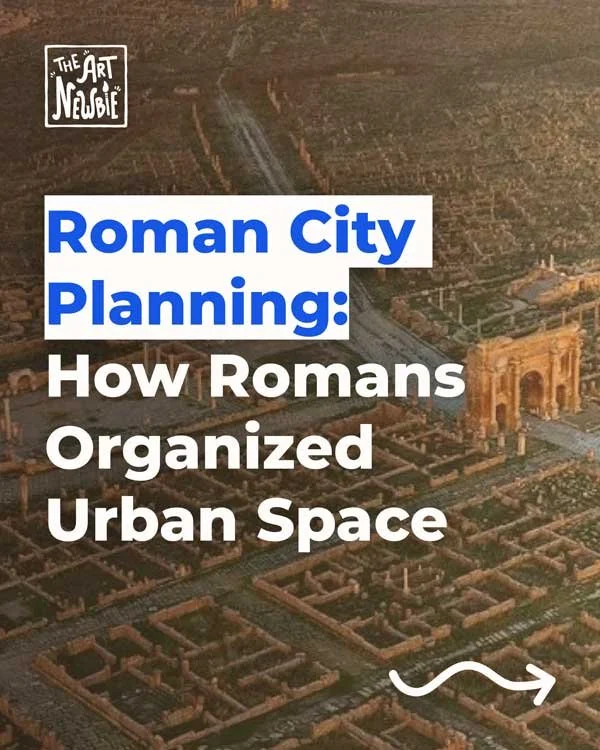
That connection makes the Forum central to Roman city planning. The city’s most important public space was not simply found. It was engineered into existence and then built up over time.
Its location also made it a point of convergence. Roads and routes moving through the city naturally fed into it. The Forum became central not only symbolically, but physically. People came through it because the city itself was organized around it.
How did the space actually work?
The Roman Forum worked as a shared civic machine. It was an open public zone, but not an empty one. Different activities occupied it at different times and in different ways.
People gathered there for speeches, legal business, religious ceremonies, processions, and political events. Important buildings around the edges handled more specialized functions, while the open central area gave those functions public visibility. This is one of the key things to understand: the Forum was not only where institutions were located. It was where institutions became publicly legible.
The open square, the surrounding monuments, and the main routes through the space all worked together. A speech from the rostra, the speaker’s platform, mattered differently because it addressed a crowd in a loaded civic setting. A temple mattered differently because it stood inside the same landscape as law courts and Senate meetings. The Forum made Roman public life spatially dense.
That is why the site can feel confusing today. What we now see as separate ruins originally worked as a connected system.
Why were routes so important?
The Roman Forum was not just a destination. It was also a place of passage and processional movement.
One of the most important routes was the Via Sacra, the Sacred Way, which crossed the Forum and linked it to major ceremonial destinations. This route mattered because Roman public life was not only static. It also unfolded through movement. Religious processions, triumphal events, and civic rituals used the city itself as a stage.
This is where the Forum connects naturally to Roman roads, though at a different scale. Roman roads tied the empire together across long distances. Inside the capital, major urban routes organized how people approached centers of power, ritual, and spectacle.
This also helps explain why the Forum was never isolated. It sat inside a larger urban sequence that included places such as the Circus Maximus and, later, the zone leading toward the Colosseum. If you look at when was the Colosseum built, you are already looking at a later city in which the public landscape had expanded, but the Forum still remained a crucial reference point.
Which buildings mattered most?
The Forum mattered because of its buildings, but also because of the mix of those buildings.
Temples were essential. The Temple of Saturn, the Temple of Castor and Pollux, and the Temple of Vesta all helped make the Forum a sacred space. But the Forum was never only religious. It also had major political buildings. The Curia, or Senate house, and the Comitium, an assembly area, gave the northwest side of the Forum special political significance.
Then there were the basilicas. The Roman basilica was a large civic hall used for law, business, and administration. In the Forum, basilicas helped turn the edges of the square into structured civic architecture. That broader building type becomes clearer through Roman basilica.
This is also where comparisons help. The Basilica of Maxentius, though slightly beyond the earlier core of the Forum proper, shows how late imperial architecture could still dominate the Forum landscape through sheer scale. You can follow that shift more closely in Basilica of Maxentius. And if you want to understand how the basilica type expanded in the later imperial fora, Basilica Ulpia is an important comparison, even though it belongs to Trajan’s Forum rather than the Forum Romanum itself.
How did the Forum change over time?
The Forum changed constantly. That is one of the main reasons it is so important historically.
In its earliest phases, it was a reclaimed low area gradually shaped into a civic center. During the Republic, the Forum developed into the principal setting for political speech, assembly, law, and religious presence. During the late Republic and early Empire, it became more monumental. Leaders such as Julius Caesar and Augustus reshaped the city and began shifting some functions into new planned spaces beyond the old Forum.
That shift matters. The Forum Romanum remained central, but it no longer had to carry every representational burden alone. Later emperors added prestige monuments rather than completely rebuilding the old square from scratch. The result is a space that preserves multiple layers of Roman history at once.
By late antiquity, monumental additions such as the Basilica of Maxentius and the Column of Phocas show that the Forum still mattered, even as the city changed around it. This long duration is one reason the Forum can feel so dense today. It is not one period. It is many Romes compressed into one place.
Why does the Forum feel confusing now?
The Forum feels confusing now because we encounter it as ruins without their original urban density. The buildings are broken, the surfaces are open, and the original visual hierarchy has been altered by time, excavation, and loss.
In antiquity, the Forum was not an empty archaeological field. It was crowded, vertical, active, and richly layered with materials, inscriptions, statues, altars, and movement. The surviving fragments can make it hard to reconstruct that intensity at first glance.
This is also why the Roman Forum is such a good reminder that ruins can mislead us. We often see them as isolated objects, but they once belonged to a much tighter civic fabric. The Forum is easiest to understand when you stop seeing it as separate monuments and start seeing it as a working public environment.
Why does the Roman Forum matter?
The Roman Forum matters because it is one of the clearest places in the world for understanding how public space can organize a civilization. It was the heart of Rome not only because famous buildings stood there, but because the relationships between those buildings created a civic system.
It also matters because it makes Roman public life spatially visible. Politics was not hidden in private offices. Religion was not sealed away from the city. Law, speech, ritual, and memory all took place in a shared environment. The Forum turned Roman power into space.
That is why it remains so compelling. The Forum is not simply a collection of ruins from ancient Rome. It is the place where Rome most clearly showed how urban space could hold public life together.
Conclusion
The Roman Forum was the political and civic heart of ancient Rome because it concentrated temples, basilicas, routes, meeting spaces, and public ceremonies into one dense urban core. It was not planned once and finished forever. It evolved over centuries, absorbing new monuments and new meanings while remaining central.
That is what makes it so important. The Roman Forum shows not just what Rome built, but how Rome made public space work.
FAQ
What was the Roman Forum in simple terms?
The Roman Forum was the main public center of ancient Rome, where politics, religion, law, commerce, and ceremony came together.
Was the Roman Forum a marketplace?
Partly, yes. It had commercial activity, especially in earlier phases, but it was much more than a marketplace. It was also the city’s main political and civic center.
Why was the Roman Forum built in that location?
It occupied a low valley between important hills. Once the area was drained and reclaimed, it became a natural civic center within the growing city.
What buildings were in the Roman Forum?
The Forum included temples, basilicas, the Curia or Senate house, speaking platforms, commemorative arches, and other civic and religious monuments.
Is the Roman Forum the same as the Imperial Fora?
No. The Roman Forum, or Forum Romanum, is the older central civic space. The Imperial Fora were later monumental forum complexes built by emperors nearby.
Why does the Roman Forum matter so much today?
It matters because it is one of the clearest places to understand how Roman public life, architecture, and urban space worked together.
Sources and Further Reading
You may also like